Can an Old Swimming Pool Be Renovated? A Guide for...
28/09/2026
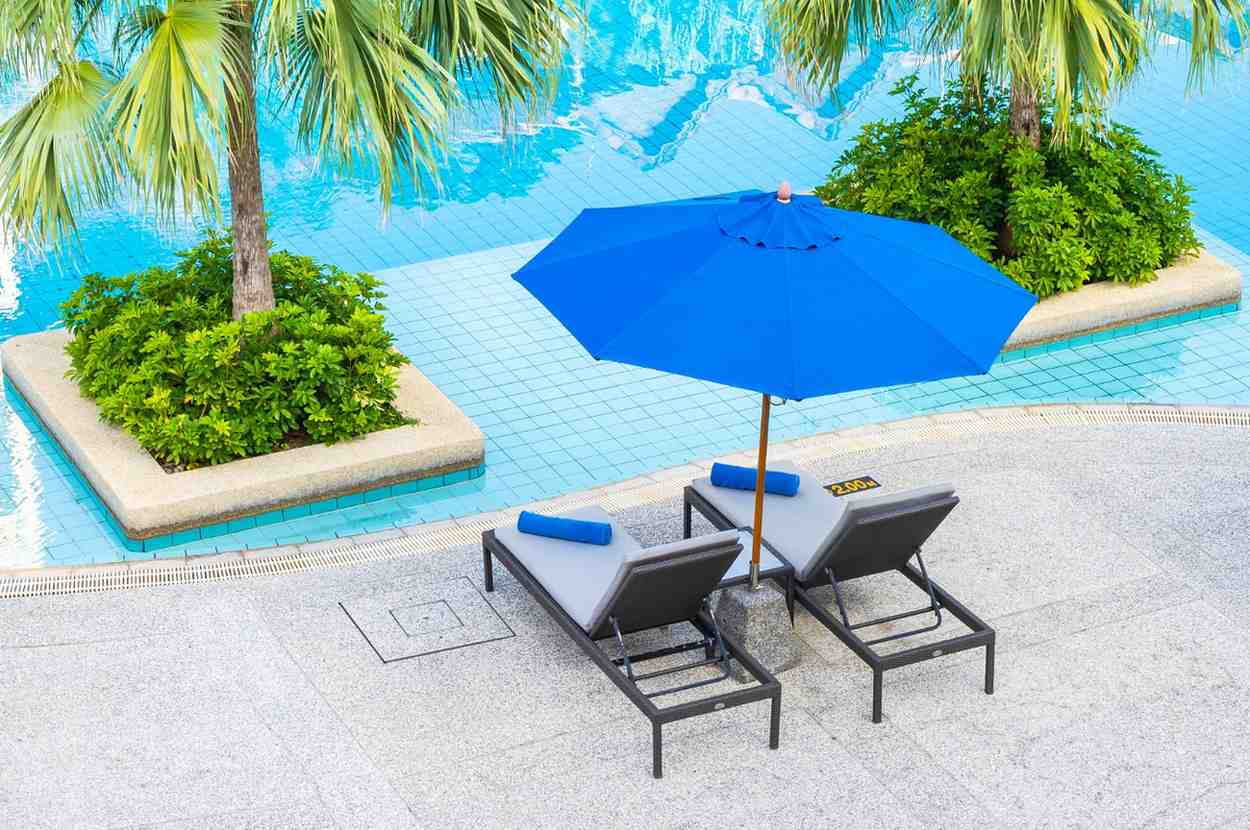
If you want to enjoy your pool in Abu Dhabi beyond the summer months, a pool heater that uses a heat pump is one of the smartest investments you can make.
But before you buy one, there are things you should know. The wrong unit, poor installation, or a mismatched system can mean high electricity bills, a heater that never performs properly, and repair calls you did not expect.
This guide covers what a heat pump pool heater actually is, how it works in the UAE climate, what questions to ask before buying, and what to look for in water heater installations in Abu Dhabi.
Key Takeaways
A heat pump pool heater does not generate heat the way a gas heater does.
Instead, it pulls warmth from the surrounding air, concentrates it, and transfers it into your pool water. Think of it working like a reverse air conditioner. It uses a small amount of electricity to move a large amount of heat.
This is why heat pumps are so energy efficient. For every unit of electricity they use, they typically produce three to five units of heat. In Abu Dhabi, where ambient temperatures stay warm even in winter, heat pumps work especially well because they do not have to work as hard to find heat in the air.
Heat pumps perform best when the outside air temperature stays above around 15 degrees Celsius.
In Abu Dhabi, even in December and January, daytime temperatures rarely drop below 18 to 20 degrees. This means your heat pump is running in near-ideal conditions almost year round. You get consistent pool temperatures without the unit struggling or consuming excess electricity.
Compare this to Europe, where heat pumps often fight against cold ambient air in winter and the efficiency drops considerably. In the UAE, that problem barely exists.
This is one of the main reasons heat pump pool heaters have become the first choice for water heater installations in Abu Dhabi.
This is the question most pool owners ask first.
Heat Pump: High upfront cost but low running costs. Best for year-round use. Very efficient in Abu Dhabi’s climate. Quiet and reliable.
Gas Heater: Heats water faster than a heat pump. Higher running costs over time. Better suited for occasional use or when you need to heat a large pool quickly. Requires a gas supply connection.
Solar Heater: Very low running costs but fully dependent on sunlight. Works well in summer but underperforms in winter when pool heating is most needed. Limited control over temperature.
For most Abu Dhabi homeowners who want consistent comfort throughout the year, a heat pump is the most practical and cost-effective choice. It balances upfront investment with long-term savings better than the other two options.
This is where many buyers make mistakes.
Heat pumps are rated in kilowatts. The right size depends on your pool’s surface area, volume, how much you want to raise the water temperature, and whether your pool has a cover.
As a general guide:
A small residential pool up to 30 cubic metres typically needs a unit between 8 kW and 12 kW.
A medium pool between 30 and 60 cubic metres usually needs between 12 kW and 20 kW.
A large pool above 60 cubic metres may need 20 kW or more, sometimes with two units working together.
A qualified water heater technician should calculate the power requirement for you based on your specific pool.
Do not guess. An undersized unit runs constantly trying to hit the target temperature and burns out faster. An oversized unit cycles on and off too frequently, which also reduces its lifespan.
Location matters more than most people realise.
A heat pump needs good airflow around it to work efficiently. It pulls air in from one side and releases cooler air from the other. If it is installed in a tight, enclosed space with no airflow, performance drops and the unit works harder than it should.
The best placement is outdoors, close to the pool equipment pad, with at least one metre of clear space around the unit and nothing blocking the air intake or exhaust.
Keep it away from bedrooms if possible. Heat pumps are quiet but not silent. They produce a low humming sound when running, similar to an outdoor air conditioning unit.
A proper installation is not just placing the unit and connecting a pipe.
Here is what the process should include:
Site assessment: A technician checks your pool size, existing plumbing, and electrical supply to confirm the right unit and confirm it can be installed properly.
Electrical connection: Heat pumps require a dedicated electrical circuit. The voltage and amperage need to match the unit’s requirements. This must be done by a qualified electrician.
Plumbing connection: The heat pump is connected in-line with your pool’s filtration system. Water flows from the filter through the heat pump and back into the pool. The connections need to be sealed and tested.
Controls setup: Modern heat pumps have digital controllers that let you set your target temperature and schedule run times. These need to be configured correctly.
Test run: The system should be tested for at least one full cycle to confirm it heats the water, holds temperature, and has no leaks.
A quality installer will walk you through all of this and explain how to use the controls before they leave.
Running costs depend on three things: the size of your pool, the electricity tariff you pay, and how much you want to heat the water.
As a rough guide, a 14 kW heat pump running for 6 to 8 hours a day at the standard ADDC residential tariff of around 7.5 fils per kWh would cost between AED 6 and AED 9 per day during active heating periods.
A pool cover cuts these costs significantly. It reduces heat loss from the surface overnight, which means the heater runs fewer hours to maintain the same temperature. If you want to reduce your running costs, a pool cover is the single most effective step you can take alongside the heat pump.
Sometimes a heater that seems faulty just needs its annual service. Other times, it needs a repair.
Watch for these signs:
These are not issues to ignore or try to fix yourself. A qualified technician should diagnose the problem before it gets worse and more expensive to repair.
For heater repair experts in Abu Dhabi who understand pool-specific systems, this kind of diagnosis is straightforward when caught early.
Before any company starts work on your pool heater installation, ask these questions:
Do you specialise in pool heaters or are you a general plumber or AC technician?
Pool heat pump systems are specific. General plumbers do not always understand the pool plumbing integration.
Will you size the unit for my specific pool?
Avoid anyone who offers a standard package without calculating your pool’s needs first.
Do you handle the electrical connection or do I need a separate electrician
Some installers manage both. Others hand off the electrical work. Know this before you agree to anything.
What warranty does the unit carry and what does the installation warranty cover?
Parts and labour warranties should both be clearly stated.
Imagine Swimming Pools Works carries out heat pump and pool heater installations across Abu Dhabi as part of their specialist pool services.
Imagine Swimming Pools Works team assesses your pool before recommending a unit, handles the plumbing integration with the existing filtration system, and provides written quotations before any work begins.
We also carry out heater repairs when units develop faults, covering diagnosis, parts sourcing, and testing.
If your heater is showing any of the warning signs mentioned above, our team can visit and assess the system before the issue becomes a full replacement.
You can reach them at 058 109 4493 or via WhatsApp to arrange a site visit.
A well-chosen and correctly installed heat pump extends your swimming season from a few summer months to almost the entire year.
Abu Dhabi winters are genuinely pleasant. Temperatures in the evenings drop enough to make an unheated pool uncomfortable from October through March.
With a heat pump, that problem disappears. You use your pool more. You get better value from it. And you are not paying excessive electricity bills to do it.
That is why water heater installations in Abu Dhabi have become so common among villa owners and property managers alike. The upfront cost is quickly offset by the comfort and usage it provides.
Do your research before you buy. Choose a unit sized properly for your pool. And make sure the installation is done by someone who knows pool systems specifically.
Can a heat pump for heating pools work during Abu Dhabi summers when the water is already hot?
Yes, but you probably will not need it for heating. In summer, Abu Dhabi pool water often exceeds 32 to 35 degrees Celsius naturally. Some heat pumps also have a cooling function that can actually lower pool temperature during the hottest months, which is a useful feature for comfort during July and August.
How long does a heat pump pool heater typically last in the UAE?
A quality heat pump that is correctly sized, properly installed, and serviced annually should last between 10 and 15 years in the UAE. The main factors that reduce lifespan are incorrect sizing, poor installation, exposure to salt air near coastal areas, and skipping regular maintenance. Annual servicing is the single best way to protect your investment.
Do I need to turn off my heat pump during the peak summer months in Abu Dhabi?
You do not have to, but many pool owners switch their heaters off between May and September when pool water stays warm without assistance. Giving the unit a seasonal rest and scheduling a service check before you restart it in October or November is a good habit. It also reduces electricity costs during summer.