Can an Old Swimming Pool Be Renovated? A Guide for...
28/09/2026
A pool heater is easy to forget about until the water turns cold and you’re left wondering why. Even in the UAE, winter evenings and early morning swims call for reliable heating.
Regular pool heating system maintenance in Abu Dhabi is what keeps that reliability intact.
This guide walks through exactly what a professional inspection covers, so you know what you’re paying for and why it matters.
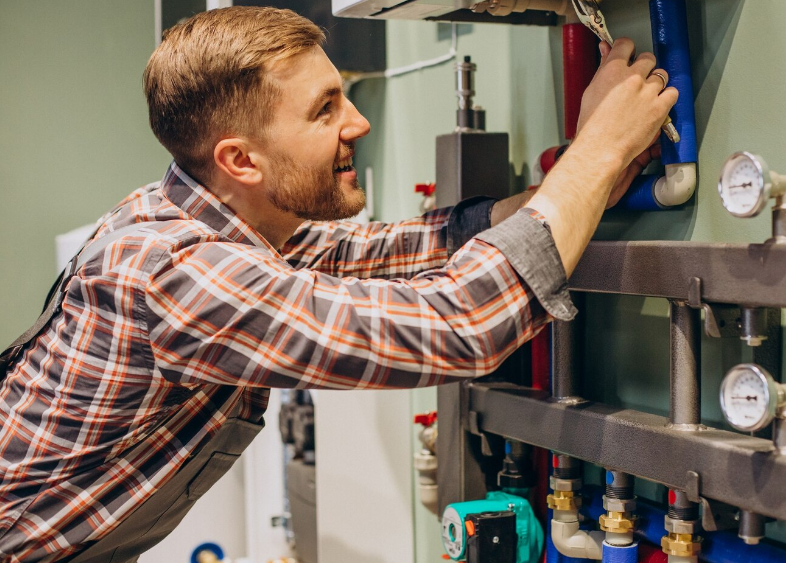
A professional pool heater inspection checks the thermostat, heating element or heat exchanger, flow sensors, gas or electrical connections, and filter cleanliness. Technicians also test water flow rate and calibrate temperature accuracy. Routine heating system maintenance in Abu Dhabi prevents breakdowns, extends equipment lifespan, and lowers energy costs by keeping the system running efficiently.
Many pool owners assume heaters only matter in colder countries. But even in Abu Dhabi, pool water can feel uncomfortably cool during winter mornings and evenings.
Because the climate is warm most of the year, heater problems often go unnoticed until the exact week you need warmth. By then, a small issue has usually become a full breakdown.
Scheduled heating system maintenance in Abu Dhabi catches these problems early, before they turn into an emergency repair bill.
A proper inspection doesn’t begin with tools. It begins with a conversation and a visual check of the entire heating setup.
Technicians typically start by reviewing:
This context shapes how the rest of the inspection is carried out and what to look for first.
Here’s what a qualified technician actually checks during a standard visit.
The thermostat controls target temperature, so accuracy matters. Technicians test whether the displayed temperature matches the actual water temperature, adjusting calibration if there’s a gap.
This is the core component responsible for warming the water. Inspectors look for scale buildup, corrosion, or damage that could reduce efficiency or cause a failure later.
Flow sensors confirm water is moving properly through the system before the heater activates. A faulty sensor can trigger error codes or prevent the heater from turning on at all.
For gas heaters, technicians check for leaks, proper ignition, and ventilation. For electric heat pumps, they inspect wiring, breakers, and connection points for wear.
Heaters rely on clean water flow to operate safely. A clogged filter forces the heater to work harder, increasing energy use and wear over time.
Technicians run the system through a short cycle, monitoring pressure and output temperature to confirm everything performs within a safe, expected range.
Some problems appear more often than others in Abu Dhabi’s climate. Knowing the common ones helps you understand what your technician is watching for.
| Issue | Likely Cause | Risk If Ignored |
| Inconsistent temperature | Thermostat miscalibration | Higher energy bills, poor comfort |
| The heater won’t ignite | Flow sensor fault or blocked filter | Complete system failure |
| Corrosion on heating coil | Water chemistry imbalance | Reduced lifespan, costly replacement |
| Unusual noise during operation | Loose components or scale buildup | Mechanical breakdown |
| Slow heating time | Dirty filter restricting flow | Increased strain on the system |
Most of these issues are minor if you catch them early. Left unattended, they tend to escalate into full replacements.
Most manufacturers and technicians recommend inspecting a pool heater at least once or twice a year. Heavily used commercial pools may need quarterly checks instead.
Pairing heater checks with your regular pool AMC visits is usually the simplest approach. It avoids scheduling separate appointments and keeps your entire system on one maintenance calendar.
Some warning signs mean you should call for Abu Dhabi pool heating installation service support sooner rather than later.
Any of these point to a component under stress, and catching it early is almost always cheaper than waiting.
It’s tempting to inspect a heater yourself, but most homeowners lack the tools and training to test flow sensors, calibrate thermostats, or safely check gas connections.
A trained technician can spot early wear that isn’t visible to the untrained eye. This is especially true for heat exchangers, where small corrosion patterns are easy to miss.
Professional heating system maintenance in Abu Dhabi also comes with documentation, giving you a clear record of what was checked and when.
A pool heater works quietly in the background until the day it doesn’t. Regular inspection is the simplest way to avoid a cold surprise and an expensive repair bill.
If your heater hasn’t been checked recently, Imagine Swimming Pools Works offers a complete Abu Dhabi pool heating installation service, along with ongoing maintenance and emergency repairs.
We have experts for pool maintenance in Dubai who handle everything from thermostat calibration to full heat pump servicing, with a written report after every visit. Call 058 109 4493 to book a free assessment before the next season change.
What does a pool heater inspection actually include?
A professional inspection checks thermostat calibration, the heating element or heat exchanger, flow sensors, gas or electrical connections, filter condition, and overall water flow rate.
How often should pool heaters be serviced in Abu Dhabi?
Most residential heaters need inspection once or twice a year. Commercial pools with heavy daily use often benefit from quarterly servicing to prevent unexpected downtime.
Why does my pool heater take longer to warm the water than before?
This usually points to a dirty filter, scale buildup on the heating element, or a flow sensor issue restricting proper water circulation through the system.
Is it worth getting professional heating system maintenance in Abu Dhabi instead of DIY checks?
Yes. Technicians can test flow sensors, calibrate thermostats accurately, and spot early corrosion that isn’t visible without proper tools, catching problems before they cause a full breakdown.
Can heater maintenance be added to an existing pool AMC?
Yes. Most Abu Dhabi providers, including Imagine Swimming Pools Works, can bundle heater inspection and servicing into an existing annual maintenance contract for simpler scheduling and one combined bill.