📄Company Profile
☎ 058 109 4493

What Is Actually in a Professional Pool Service Contract? (A Line-by-Line Breakdown)

Pool Service Contract

Signing an Abu Dhabi swimming pool maintenance contract sounds simple until you actually read one. Vague terms like “regular cleaning” or “maintenance included” leave homeowners guessing what they are really paying for.

The truth is, not all pool service contracts in Abu Dhabi are structured the same way. Some cover everything from chemical balancing to equipment checks. Others barely go beyond skimming leaves off the surface.

This breakdown walks through exactly what a professional contract should include, line by line, so you know precisely what you are signing up for.

Quick Answer

A proper Abu Dhabi swimming pool maintenance contract should include scheduled cleaning visits, water chemistry testing, filtration system checks, minor repairs, and clear response times for emergencies.

Look for specifics, not vague promises. If a contract just says “maintenance included” without listing tasks, frequency, and inclusions, ask for clarification before signing anything.

Why the Fine Print Actually Matters

Most homeowners skim through service agreements and focus only on the price. That is understandable, but it is also how people end up disappointed later.

A pool contract determines how often your technician shows up, what they actually do during each visit, and what counts as an extra charge.

Without clarity here, you might assume equipment repairs are included, only to get billed separately when your pump fails mid-summer.

Core Components of a Professional Pool Service Contract

Every reliable pool service contract in Abu Dhabi should be built around these core pillars. Here is what each one actually means in practice.

1. Visit Frequency and Scheduling

This defines how often a technician comes to your property, whether weekly, bi-weekly, or monthly.

Abu Dhabi’s heat makes weekly visits standard for actively used pools, especially between April and October when evaporation and bacteria growth accelerate.

2. Water Testing and Chemical Balancing

This covers chlorine levels, pH balance, alkalinity, and calcium hardness testing during every visit, with chemicals added as needed.

Consistent chemical balance is what actually keeps water safe to swim in, not just looking clear on the surface.

3. Physical Cleaning Tasks

The list includes skimming debris, brushing walls and tile lines, vacuuming the pool floor, and emptying skimmer baskets.

These tasks prevent algae buildup and keep surfaces from staining, which matters significantly given Abu Dhabi’s dust and sand exposure.

4. Filtration and Equipment Inspection

A proper contract checks your filter, pump, and sometimes heater during each visit, catching small issues before they become expensive repairs.

This is often the most overlooked section, yet it is the one that saves the most money long term.

5. Minor Repairs and Adjustments

Good contracts include small fixes, like adjusting valves or clearing blockages, without triggering an additional call-out fee.

6. Emergency Response Terms

This section defines how quickly the company responds if something goes wrong, such as a pump failure or sudden green water outbreak.

7. Exclusions and Additional Costs

Every contract should clearly state what is not included, such as major equipment replacement, resurfacing, or structural repairs.

Contract Breakdown Table


Contract Section What It Should Specify Why It Matters
Visit Frequency Weekly, bi-weekly, or monthly schedule Determines consistency of care
Water Testing Chlorine, pH, alkalinity, calcium levels Keeps water safe and swimmable
Cleaning Tasks Skimming, brushing, vacuuming, skimmer baskets Prevents algae and staining
Equipment Checks Pump, filter, heater inspection Catches issues before failure
Minor Repairs Included adjustments, no extra fees Saves on small call-out charges
Emergency Response Response time for urgent issues Prevents prolonged pool downtime
Exclusions Major repairs, resurfacing, replacements Avoids billing surprises later

Red Flags to Watch For

Some contracts are written to sound comprehensive while actually leaving major gaps. Watch for these warning signs before signing.

  • Vague wording like “full maintenance” with no task list
  • No mention of water chemistry testing frequency
  • Unclear pricing for repairs beyond routine cleaning
  • No defined response time for urgent issues
  • No mention of which chemicals or products are used

If a provider hesitates to put specifics in writing, that hesitation usually tells you something important about their service quality.

Questions to Ask Before Signing

A short conversation before signing can save months of frustration later. These questions clarify exactly what you are agreeing to.

  1. How many visits are included per month, and can frequency change seasonally?
  2. Is water testing done at every visit, or only when problems appear?
  3. What specific equipment checks are included versus billed separately?
  4. What is the average response time for urgent repair requests?
  5. Are chemicals and consumables included in the price or billed extra?

Getting clear answers here turns a vague agreement into a contract you fully understand and trust.

How This Protects Your Pool Long Term

A well-structured Abu Dhabi swimming pool maintenance contract does more than keep water clean. It protects your entire investment.

Regular equipment checks catch pump issues before they cause flooding or motor burnout. A consistent chemical balance prevents plaster staining, which can lead to expensive resurfacing.

Over time, the difference between a vague contract and a detailed one shows up clearly, either in a pool that stays trouble-free or one that needs constant emergency fixes.

Final Thoughts

A professional pool service contract should always be clear. Every task, frequency, and exclusion should be written clearly, not implied.

Before signing your next Abu Dhabi swimming pool maintenance contract, ask for the specifics covered in this breakdown. It is the easiest way to avoid surprises and protect your pool year round.

Frequently Asked Questions

What should be included in a basic pool maintenance contract?

A basic contract should include scheduled cleaning, water testing, chemical balancing, filter checks, and skimming, at minimum on a weekly or bi-weekly basis.

Are equipment repairs usually covered in a pool service contract?

Minor adjustments are typically included, but major repairs like pump replacement or heater installation are usually quoted and billed separately.

How often should water chemistry be tested under a maintenance contract?

Water chemistry should be tested at every scheduled visit, since Abu Dhabi’s heat and evaporation rates shift chlorine and pH levels quickly.

What is the difference between inclusions and exclusions in a pool contract?

Inclusions are tasks covered under the fixed price, while exclusions are services billed separately, such as resurfacing, major repairs, or equipment replacement.

Why do some pool contracts cost more than others despite similar services?

Pricing often reflects visit frequency, technician experience, and chemical quality used, not just the basic task list listed in the agreement.


Why Is Your Pool Heater Not Heating the Water? Common Causes Explained

pool heater

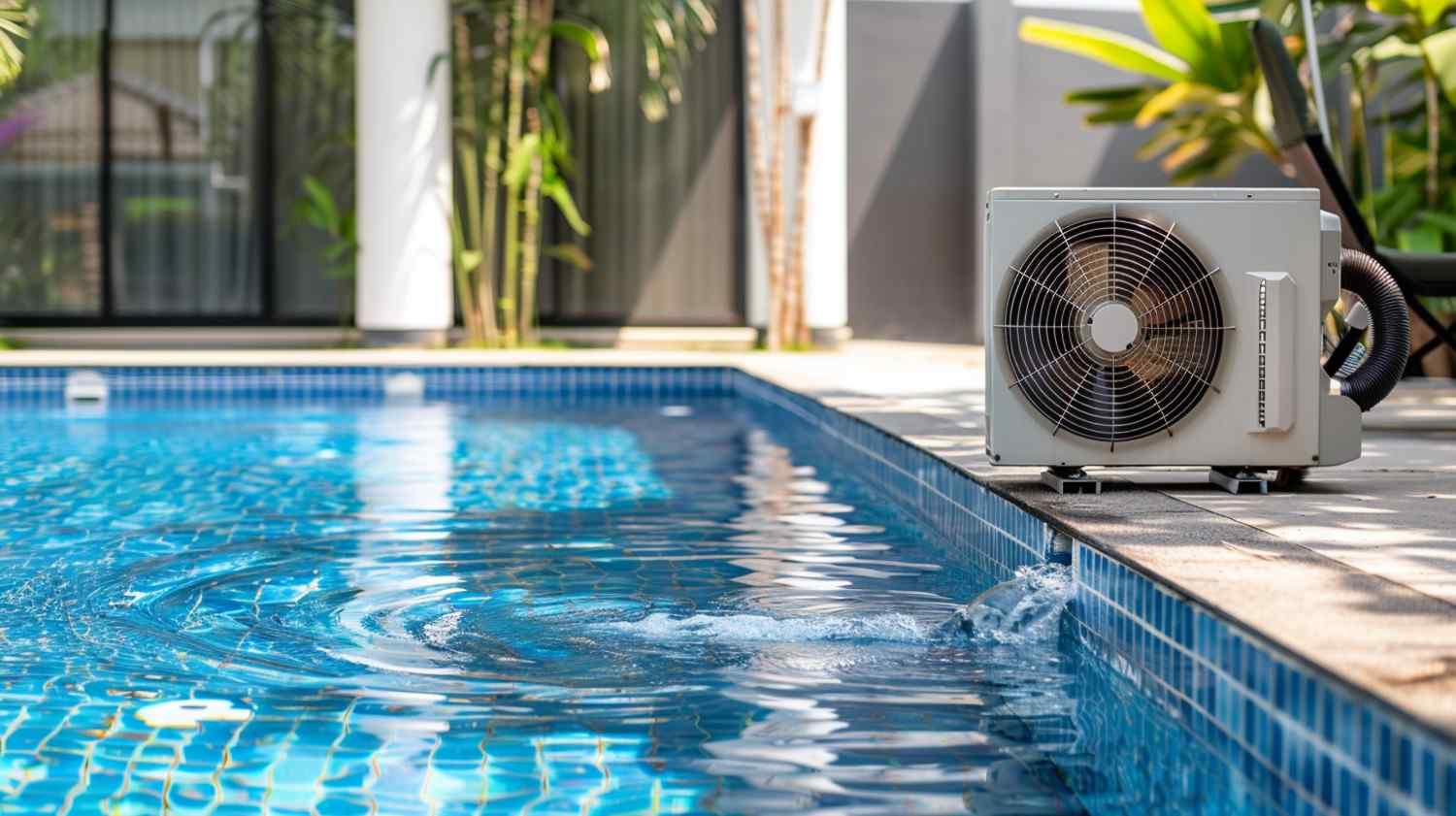
A pool heater usually fails to heat water because of thermostat errors, low refrigerant in heat pumps, heat exchanger scale buildup, poor water flow, or gas supply issues. Most of these problems can be fixed without replacing the entire unit. If your heater is running but the pool stays cold, get a professional diagnosis from pool heater repair experts in Abu Dhabi before assuming you need a new system. Regular pool heating system maintenance in Abu Dhabi prevents most of these issues from happening in the first place.

Nothing ruins a swim faster than jumping into water that’s still ice cold. If your pool heater is running but the water temperature refuses to budge, you’re not alone. It’s one of the most common complaints pool owners in Abu Dhabi bring to us every winter.

The good news is that most heating failures come down to a handful of predictable causes. Once you know what to look for, diagnosing the problem gets a lot easier.

Common Reasons Your Pool Heater Isn’t Working

1. Incorrect Thermostat Settings

This issue sounds obvious, but it’s the number one reason we get called out. Someone bumps the dial, a power cut resets the controller, or the automation system reverts to a default setting.

Before assuming a mechanical fault, double-check the target temperature on your controller. It takes thirty seconds and saves an unnecessary callout.

2. Low Refrigerant in Heat Pumps

Heat pumps rely on refrigerant to extract warmth from the air and transfer it into your pool water. A slow leak reduces heating capacity gradually, so you might not notice at first.

Eventually the unit runs constantly without ever reaching the set temperature. This needs a certified technician, since refrigerant handling in the UAE is regulated.

3. Scale Buildup on the Heat Exchanger

Abu Dhabi’s water is naturally hard, which means calcium deposits build up inside the heat exchanger over time. This layer acts like insulation, blocking heat transfer to the water.

The result is a heater that runs but delivers far less warmth than it should. Descaling during annual service usually resolves this issue completely.

4. Low Water Flow Rate

Every pool heater has a safety cutoff that shuts the unit down if water flow drops too low. A clogged filter, closed valve, or failing pump can all trigger this protection.

If your heater keeps switching off shortly after starting, flow rate is often the culprit. Check your filter pressure gauge first.

5. Gas Supply Problems

Gas heaters depend on a steady LPG supply and proper burner ignition. A blocked gas line, faulty igniter, or incorrect gas pressure will all stop the unit from producing heat.

These are safety-sensitive repairs and shouldn’t be attempted without proper training.

6. Electrical or Control Board Faults

Loose wiring, blown fuses, or a failing control board can cause a heater to run without actually heating. Error codes on the display usually point technicians straight to the fault.

7. Undersized Heater for the Pool

Sometimes the heater isn’t faulty at all; it’s simply too small for the pool volume. An undersized unit runs continuously and never reaches target temperature, especially during Abu Dhabi’s cooler months between November and March.

Quick Comparison: Symptom vs. Likely Cause


Symptom Likely Cause Fix
Heater runs but water stays cold Scale buildup or low refrigerant Descaling or refrigerant recharge
Heater switches off repeatedly Low water flow Clean the filter and check pump and valves
No power to the unit Electrical fault or fuse Electrical inspection
Error code on display Sensor or control board fault Diagnostic check
Slow to heat, high gas usage Gas pressure or igniter issue Gas system service
Never reaches set temperature Heater undersized for pool Reassessment and possible upsizing

Why Regular Maintenance Matters

Most of the causes above share one thing in common: they build up slowly and quietly. Scale, minor refrigerant leaks, and dirty filters rarely cause a sudden breakdown. They wear the system down over months.

Annual heating system maintenance in Abu Dhabi catches these problems early. A proper service includes descaling, refrigerant checks on heat pumps, electrical inspection, and safety cutoff testing.

Heaters that go without regular maintenance tend to fail years earlier than they should. A yearly checkup is far cheaper than an emergency repair or full replacement.

How Imagine Pools Can Help

Imagine Swimming Pools Works has spent over 10 years fixing and maintaining pool heating systems across Abu Dhabi. We’ve serviced more than 500 pools, from private villas to hotels and resorts.

Our team diagnoses and repairs all major heater types, including heat pumps, gas heaters, and solar-assisted systems. We work on all major brands, including Hayward, Pentair, Zodiac, and Astral, so whatever unit you have, we can service it.

If your heater is showing error codes, running without heating the water, or making unusual noises, our pool heater repair experts in Abu Dhabi can identify the exact cause and fix it properly the first time.

We also offer scheduled maintenance for pool heating systems in Abu Dhabi, including annual descaling, refrigerant checks, and safety testing, so breakdowns become far less likely.

We serve homes and businesses across Abu Dhabi City and Corniche, Khalifa City, Al Reem Island, Saadiyat Island, Yas Island, Al Raha Beach, Mohammed Bin Zayed City, and Musaffah, along with Al Ain and select Dubai locations.

Call 058 109 4493 or message us on WhatsApp for a free site visit and a written quote within 24 hours.

Frequently Asked Questions

Why is my pool heater running but not heating the water?

This usually means the heater is working mechanically, but something is blocking heat transfer, most often scale buildup on the heat exchanger or low refrigerant in a heat pump. Both reduce heating efficiency without stopping the unit entirely, so it runs continuously without ever reaching your set temperature.

How do I know if my pool heater needs repair or replacement?

If your heater is under 8 to 10 years old and the fault is isolated to one component, like a sensor, igniter, or refrigerant leak, repair is usually more cost-effective. Replacement makes more sense when repair costs approach the price of a new unit or the heater fails repeatedly despite servicing.

Why does my pool take so long to heat up in Abu Dhabi winters?

Slow heating between November and March is often due to an undersized heater, low refrigerant, or scale buildup reducing efficiency. Heat pumps naturally take 8 to 24 hours to raise temperature, while gas heaters work faster in 2 to 6 hours, so the expected timeline depends on your heater type.

How often should I get my pool heater serviced in Abu Dhabi?

Annual maintenance is recommended for every pool heater in Abu Dhabi due to the region’s hard water, which causes calcium scale to build up faster than in many other climates. Yearly service includes descaling, refrigerant checks, electrical inspection, and safety cutoff testing.

Can a faulty pump cause my pool heater to stop heating?

Yes. Pool heaters have a built-in safety cutoff that shuts the unit down if water flow drops too low, and a weak or failing pump is a common trigger. If your heater keeps switching off shortly after starting, checking the pump and filter is a good first step before assuming the heater itself is faulty.


Pool Maintenance Tips for Abu Dhabi Summer: Keep Your Swimming Pool Clean and Safe

Pool Maintenance

Abu Dhabi summers push swimming pools to their limits. Temperatures regularly exceed 45°C, UV radiation is intense, dust storms settle debris across the water surface overnight, and evaporation rates mean pools lose water faster than in almost any other climate. Without consistent care during these months, pool water turns green, chemical levels collapse, and equipment deteriorates far faster than the manufacturer’s expected lifespan.

Professional pool maintenance in Abu Dhabi during summer is not optional for homeowners who want a pool that is genuinely safe to swim in. This guide covers the practical steps every pool owner should follow, explains the science behind each one in plain terms, and identifies the specific points where professional support becomes necessary rather than optional.

Why Abu Dhabi’s Summer Climate Creates Unique Pool Maintenance Challenges

Most general pool maintenance advice is written for temperate climates where summer temperatures sit between 25°C and 35°C. Abu Dhabi regularly exceeds that range significantly, and the difference is not simply a matter of degree. The heat fundamentally changes how fast pool chemistry breaks down.

Chlorine is the primary sanitizer keeping pool water safe. In cooler climates, a single dose might remain effective for several days. In Abu Dhabi’s summer heat and direct sunlight, chlorine can lose most of its effectiveness within twenty-four hours. A pool that is properly balanced can lose chlorine quickly during Abu Dhabi’s summer, making frequent testing and adjustment essential to maintain safe water quality.

UV radiation compounds this further. Sunlight breaks down unstabilized chlorine through a process called photodegradation. Without sufficient cyanuric acid acting as a UV stabilizer, every hour of direct sunlight actively destroys the chlorine already in the water.

Dust and sand add a third layer of difficulty. A single haboob, a regional sandstorm, deposits enough fine particulate matter across a pool surface to significantly increase the chemical demand of the water, clog filters faster than a typical week of use would cause, and introduce organic material that accelerates algae growth.

Understanding these specific pressures makes every maintenance step in this guide make more practical sense.

Tip 1: Test Pool Water Chemistry More Frequently Than the Standard Advice Suggests

General pool maintenance guides recommend testing water chemistry once or twice a week. In Abu Dhabi’s summer conditions, that schedule is insufficient. Water chemistry should be checked frequently during summer. Pools with heavy use or high dust exposure may require more frequent testing and adjustment.

What Pool Water Chemistry Testing Measures

Water chemistry testing covers several separate parameters, each of which affects pool safety and water clarity differently.

pH balance measures water acidity or alkalinity on a scale of zero to fourteen. The ideal range for a swimming pool is 7.2 to 7.6. Water below 7.2 is acidic enough to irritate swimmers’ eyes and skin, and to actively corrode metal fittings, pump components, and pool surfaces. Water above 7.8 reduces chlorine effectiveness dramatically, meaning sanitizer is being consumed without actually sanitizing the water.

Free chlorine is the active, available chlorine keeping water safe. The target range is 1.0 to 3.0 parts per million. In Abu Dhabi’s summer heat, free chlorine levels can drop to near zero within a day of dosing, particularly in outdoor pools exposed to direct sunlight.

Cyanuric acid acts as a chlorine stabilizer by shielding chlorine molecules from UV degradation. The recommended range for outdoor pools is 30 to 50 parts per million. Below this range, chlorine breaks down too quickly in direct sunlight. Above 80 parts per million, cyanuric acid actually reduces chlorine’s ability to sanitize effectively, a condition sometimes called chlorine lock.

Total alkalinity buffers the water against rapid pH swings. The target range is 80 to 120 parts per million. Low alkalinity causes pH to fluctuate unpredictably, making it difficult to maintain stable water chemistry regardless of how frequently chemicals are added.

Calcium hardness prevents water from drawing minerals from pool surfaces and equipment. Abu Dhabi’s tap water is already high in calcium, meaning scaling on tiles and pool walls is a common problem here compared to regions with softer water.

How to Test Pool Water Correctly

Home test strips provide a quick general reading but lose accuracy if stored improperly in Abu Dhabi’s heat. Liquid test kits are more reliable for routine use. For monthly or quarterly detailed testing, sending a water sample to a professional pool service provides the most accurate full-spectrum analysis.

Collect water samples from elbow depth, away from return jets, and at least twenty minutes after any chemical addition or pump startup. Testing immediately after adding chemicals or during active circulation gives skewed readings.

Tip 2: Clean Debris from Pool Water Before It Affects Water Chemistry

Physical debris, such as leaves, insects, dust, and sand, does more than make a pool look unappealing. Organic matter in pool water creates what is called chlorine demand. The chlorine in the water works to break down organic material, consuming sanitizer that should be protecting swimmers instead.

Daily Skimming During Abu Dhabi Summer

The surface skimmer baskets in a pool collect floating debris before it sinks and settles on the pool floor. In Abu Dhabi’s summer, skimmer baskets can fill within a day during dusty periods. Checking and emptying the skimmer basket daily is a realistic minimum during these months, not an exaggerated recommendation.

Manual skimming with a pool net across the water surface adds to what the skimmer basket captures automatically. This matters particularly after any wind event, when fine debris settles across the entire surface rather than collecting near a single skimmer inlet.

Vacuuming the Pool Floor

Debris that sinks to the pool floor creates two problems. First, it continues increasing chlorine demand from below. Second, organic matter settled on plaster or tiled surfaces can cause permanent staining if left long enough.

Vacuuming should be performed weekly during summer and more frequently after dust storms. Robotic pool cleaners automate this task and operate effectively in the heat, though the filter cartridges in the robot itself require regular rinsing to maintain suction.

Brushing Pool Walls and Steps

Pool walls and steps are where algae attaches and begins growing before it becomes visible as green discolouration. Brushing walls weekly disturbs early-stage algae growth and prevents it from establishing a grip on the surface.

Nylon brushes work on standard plaster and tile surfaces. Wire brushes are used only on bare concrete and should not be used on plaster finishes or vinyl linings, as they cause surface damage.

Tip 3: Maintain Chlorine and pH Levels More Aggressively Than in Milder Climates

Knowing the correct chemical levels from tip one only helps if the pool owner also knows how to maintain those levels consistently. Summer conditions in Abu Dhabi require more frequent dosing and more precise management than the same pool would need in October or March.

Why Chlorine Disappears Faster in Summer

Heat accelerates chemical reactions that consume chlorine. Warm water also supports faster bacterial and algae growth, while sweat, sunscreen, and body oils increase chlorine demand. Direct sunlight further reduces chlorine through photodegradation.

The practical result is that a pool needing half a kilogram of chlorine per week in cooler months may need two or three times that quantity to maintain safe levels during peak summer.

Shocking a Pool and Why It Matters in Summer

Pool shocking means adding a large dose of chlorine at once to raise free chlorine levels dramatically above the normal range, typically to 10 parts per million or higher. This oxidizes accumulated organic matter, kills any developing algae, and destroys chloramine compounds that form when chlorine reacts with ammonia from swimmer waste.

Pools may require shock treatment during summer when water testing indicates high combined chlorine, algae growth, or heavy contamination. Follow the chemical manufacturer’s recommendations or consult a pool maintenance professional.

pH Drift in Hot Water

Heat causes pH to rise naturally over time in pool water. Higher temperatures increase the rate of carbon dioxide outgassing from the water surface, which removes natural pH buffering and allows pH to climb. Pools in Abu Dhabi regularly drift toward pH 7.8 or higher during summer without active management.

pH reducers, typically sodium bisulfate for dry acid, should be added in small, measured doses to bring pH back into the 7.2 to 7.6 range. Adding too much at once causes pH to crash too low, which then requires a pH increaser, and the overcorrection cycle wastes chemicals and creates unstable conditions.

Tip 4: Inspect Filters and Pumps More Frequently During Summer Operating Hours

Summer is when pool equipment works its hardest. Pumps typically run longer daily cycles to circulate and filter increased debris loads. Filters process more material per day than at any other time of year. The combination of higher ambient temperature and increased workload means equipment is far more likely to develop problems during summer than during cooler months.

How to Know When a Sand Filter Needs Backwashing

Sand filters remove debris by passing water through a bed of specially graded silica sand. As the sand bed captures debris, the flow resistance through the filter increases, which is measurable as a pressure rise on the filter gauge. Most sand filters should be backwashed when the gauge rises 8 to 10 psi above the clean baseline reading.

In Abu Dhabi’s summer, this threshold may be reached within a week of the previous backwash, rather than the two-to-four-week interval common in cooler seasons or lower-use periods. Checking the pressure gauge as part of the twice-weekly maintenance routine rather than monthly prevents the filter from running in a progressively degraded state without the owner realizing.

Backwashing a sand filter takes approximately three to five minutes, during which water runs to waste while the flow is reversed through the sand bed. After backwashing, a brief rinse cycle settles the sand bed before returning the filter to normal operation.

Checking Pool Pump Operation in High Temperatures

Pool pump motors generate heat during operation and rely on ambient air cooling to manage their temperature. In Abu Dhabi’s summer, pump rooms or equipment areas can reach temperatures well above 50°C. Running a pump motor in these conditions for eight to twelve hours daily accelerates wear on motor windings, bearings, and capacitors.

Signs of pump strain include unusual noise during operation, reduced flow from return jets despite a clean filter, and the pump motor cutting out due to thermal overload protection. Adequate ventilation around pump equipment and shading equipment areas from direct sun meaningfully extends motor lifespan.

Pool Pump Running Hours During Summer

Sufficient daily circulation keeps chemicals distributed evenly and ensures all pool water passes through the filter. The general guideline is to turn over the entire pool volume at least once every eight hours. Pool pump operating time depends on pool size, equipment capacity, water temperature, and usage. During Abu Dhabi’s summer, longer filtration cycles are often needed to maintain water quality.

Running pumps during off-peak electricity hours where possible reduces operating costs while still achieving sufficient circulation.

Tip 5: Prevent Algae Growth Before It Establishes Rather Than Treating It After

Algae in a swimming pool is not merely an aesthetic problem. Green algae turns water opaque, making it impossible to see pool users below the surface, which is a genuine safety concern in pools used by children. Some algae types produce compounds that irritate skin, eyes, and respiratory systems. Algae growth also indicates broader water chemistry failure, usually combined chlorine collapse and pH drift.

Why Algae Grows Faster in Abu Dhabi Summer

Algae requires warmth, sunlight, and nutrients to grow. Abu Dhabi’s summer provides ideal quantities of all three. Pool water above 30°C, which is common in outdoor pools during July and August, is a highly favorable growth environment. Nutrients come from organic material entering the pool through swimmers and environmental debris.

An uncovered outdoor pool exposed to direct sunlight can develop algae quickly if chlorine levels are not maintained, especially during Abu Dhabi’s summer.

Practical Algae Prevention Steps

Maintaining free chlorine consistently above 1.0 parts per million is the primary defense against algae. Below this level, algae can begin establishing before the next testing and dosing cycle catches the problem.

Algaecide added as a weekly preventive during summer provides a secondary barrier, particularly for pools in areas with high organic debris loads or pools that receive heavy use. Preventive algaecide doses are far lower than the treatment doses needed to clear an established algae bloom.

Brushing pool walls weekly, as described in tip two, physically disrupts algae before it can attach and multiply on surfaces.

Treating an Existing Algae Bloom

Green water requires a specific response rather than simply adding more of the regular chlorine dose. The pool should be shock-dosed with a large chlorine treatment, followed by algaecide treatment, followed by twenty-four to forty-eight hours of pump operation to circulate and filter the dead algae material. Water may turn cloudy white or grey as the algae dies before the filter clears it.

Severe algae blooms may require professional treatment, including shock chlorination, continuous filtration, and additional corrective measures depending on the condition of the pool.

When DIY Pool Maintenance in Abu Dhabi Is Not Enough

Most of the tips above are genuinely manageable as regular homeowner tasks. Testing water, skimming surfaces, emptying skimmer baskets, and adjusting chemical doses do not require specialist skills or equipment.

However, there are specific situations where swimming pool cleaning services in Abu Dhabi from a professional provider are the more practical and safer choice.

Chemical balance has drifted significantly. If pH, alkalinity, and chlorine are all out of range simultaneously, correcting them in the right sequence without overcorrecting any single parameter requires experience. Adding large doses of multiple chemicals without understanding the interactions between them can create dangerous conditions temporarily.

The pool has turned green. Treating an established algae bloom correctly requires shock dosing, algaecide application, filter backwashing, and follow-up water testing across multiple days. Professional pool cleaning services handle this as a routine task with the equipment and chemistry knowledge to resolve it efficiently.

Equipment is showing signs of failure. Diagnosing whether a pump noise indicates a failing bearing, a clogged impeller, or an air leak in the suction line requires hands-on experience. Attempting to repair pool equipment without this background risks making the fault worse or voiding remaining warranty coverage.

Consistent maintenance is difficult to maintain personally. During busy periods, missing one or two dosing cycles in July or August can allow water chemistry to collapse within days. A professional maintenance schedule removes this dependency on personal availability during the months where consequences of missing maintenance are greatest.

Are Abu Dhabi Pool Service Contracts Worth It During Summer?

Abu Dhabi pool service contracts, commonly known as Annual Maintenance Contracts or AMC arrangements, provide scheduled professional visits across the year for a fixed fee. Summer is the period where the value of these contracts becomes most tangible.

Under a pool service contract, trained technicians visit on a fixed schedule to test water, adjust chemicals, clean filters, backwash sand beds, inspect equipment, and report on any developing issues. The pool owner receives a consistent maintenance result without personally managing the daily and weekly tasks detailed throughout this guide.

Annual Maintenance Contracts provide scheduled maintenance, consistent servicing, and predictable costs throughout the year. They also help identify potential issues before they become more expensive repairs. The more significant financial benefit is avoiding reactive repair costs that arise from problems that develop undetected between infrequent maintenance visits, which summer’s compressed deterioration timeline makes considerably more likely.

For villas with pools in Abu Dhabi that are heavily used during the summer months, especially when children are out of school, consistent professional maintenance is one of the best ways to keep the pool clean and safe.

Imagine Swimming Pools Works offers pool maintenance services in Abu Dhabi and Swimming Pool Annual Maintenance Contracts tailored to residential pools across Abu Dhabi. Anyone looking for consistent summer coverage can reach the team at 058 109 4493 or at info@imaginepools.ae.


Frequently Asked Questions

How often should a swimming pool be cleaned during Abu Dhabi summer?

Surface debris and skimmer baskets should be checked regularly during Abu Dhabi’s summer, while brushing, vacuuming, and filter cleaning should be carried out as needed to keep the pool clean. Pools exposed to heavy use or dust may require more frequent cleaning. Professional maintenance helps ensure both cleanliness and balanced water quality.

Why does pool water turn green faster in Abu Dhabi’s summer?

Water temperatures above 30°C accelerate algae growth significantly. Combined with intense UV exposure reducing chlorine levels and higher organic loads from dust and swimmer use, the conditions are near-ideal for rapid algae establishment. A pool with collapsed chlorine levels can turn visibly green within forty-eight hours during July and August.

How often should pool water chemistry be tested during summer?

Pool water chemistry should be checked regularly throughout Abu Dhabi’s summer. Pools exposed to heavy use, dust, or extreme heat may require more frequent testing, while professional maintenance visits help ensure balanced water quality.

Can a pool be maintained independently without professional help during Abu Dhabi summer?

Routine tasks including skimming, vacuuming, brushing, and basic chemical dosing are manageable without professional help. Significant chemistry drift, equipment problems, algae blooms, and situations where the owner cannot maintain a consistent schedule all benefit from professional pool cleaning services in Abu Dhabi. Summer’s fast deterioration timeline leaves less margin for delayed response than cooler months allow.

Are pool service contracts in Abu Dhabi worth it during summer?

For most residential pool owners, Abu Dhabi pool service contracts provide genuine value during summer. The combination of consistent professional visits, early problem detection, and fixed-cost budgeting avoids both the chemical management burden of peak season and the higher repair costs that arise when problems develop undetected between infrequent maintenance visits.


Common Swimming Pool Problems That Require Professional Renovation Contractors

renovation-swimming-pool

Cracked surfaces, persistent leaks, damaged tiles, outdated filtration systems, recurring algae growth, waterproofing failures, and structural movement are the most common problems that require UAE swimming pool renovation contractors. These issues do not resolve through routine cleaning. Each one points to a deeper structural or mechanical fault that only a qualified renovation team can properly diagnose and repair.

A pool in Abu Dhabi works harder than a pool almost anywhere else. Intense sun exposure, high water temperatures, mineral-heavy tap water, and constant chemical treatment wear down pool surfaces and equipment far faster than in milder climates. A plaster finish that might last fifteen years in a temperate country can show serious deterioration in eight to twelve years here.

This guide walks through the most common problems homeowners encounter, explains why each one happens, and outlines the renovation approach used to fix it permanently.

What Causes Most Swimming Pool Problems in the UAE

Three environmental factors drive almost every pool problem in this region. Understanding these causes makes it easier to recognize warning signs early, before small issues become expensive structural repairs.

UV exposure breaks down plaster and exposed sealants faster than in most climates. Abu Dhabi receives some of the highest annual sun intensity in the world, and pool surfaces sit directly exposed to it for most daylight hours.

Water hardness in the local supply leaves mineral deposits on tiles, grout lines, and pool walls. Over years, these deposits cause staining, roughen surfaces, and weaken bonding agents holding tiles in place.

Heat-driven chemical demand means pools require heavier and more frequent chemical dosing to stay balanced. Aggressive water chemistry accelerates corrosion in metal fittings, pump components, and plumbing connections.

These three factors combine to shorten the practical lifespan of nearly every pool component. A pool built using standard materials and standard maintenance schedules will typically need renovation work within eight to twelve years, sometimes sooner without proper care.

Cracked Pool Shells and Structural Damage

A pool shell crack is one of the clearest signs that renovation, not routine repair, is needed. The shell forms the structural foundation of the entire pool, and any compromise here affects everything built on top of it.

Why Pool Shell Cracks Develop

Ground movement, foundation settling, and thermal expansion are the primary causes of shell cracking. In Abu Dhabi, extreme temperature swings between scorching daytime heat and cooler nighttime air cause the concrete shell to expand and contract repeatedly throughout the year.

Poor original construction also contributes. Pools built with insufficient rebar reinforcement, low-grade concrete, or inadequate curing time are far more prone to shell cracking within the first decade of use.

Warning Signs of Shell Cracking

Visible cracks on pool walls or the floor are the most obvious sign, but several other indicators often appear first. Water levels dropping faster than evaporation alone explains is a strong early signal of a hairline shell crack.

Damp patches on the ground surrounding the pool, even when the pool has not overflowed, frequently point to water escaping through a shell crack below the visible waterline.

Risks of Ignoring a Cracked Shell

A small hairline crack rarely stays small. Water pressure constantly pushes against the crack from inside the pool, gradually widening it with every passing month. Left unaddressed, a minor crack can progress into a structural failure requiring full shell reconstruction.

Soil erosion beneath the pool is another serious risk. Water escaping through shell cracks can wash away supporting soil underneath the structure, leading to shifting, sinking, or even partial collapse of the pool floor.

Professional Renovation Solution for Shell Cracks

Renovation contractors begin by draining the pool and conducting a full structural inspection to map every crack and assess its depth. Surface hairline cracks are typically repaired using specialist epoxy injection compounds designed to bond permanently with concrete.

Deeper structural cracks require a different approach. Contractors cut out the damaged section, reinforce it with additional rebar where needed, and rebuild the shell section using fresh concrete before applying a new waterproofing membrane and surface finish.

Water Leaks That Waste Water and Increase Costs

Leaking pools are among the most financially damaging problems a homeowner can ignore. A continuous leak does not just waste water; it actively drives up utility bills and risks damage to surrounding structures.

Common Causes of Pool Leaks

Leaks typically originate from one of three places: the pool shell itself, the plumbing lines running to and from the equipment, or the fittings and skimmers installed in the pool walls. Each source requires a different detection method and a different repair approach.

Plumbing leaks are particularly common in pools over ten years old, as pipe joints and seals degrade gradually under constant water pressure and chemical exposure.

How to Identify a Leaking Pool

A simple bucket test can confirm whether a pool is genuinely losing water beyond normal evaporation. Placing a bucket filled with water on a pool step and comparing the water level drop inside the bucket against the pool over twenty-four hours reveals whether loss is excessive.

A consistently running pump that struggles to maintain water level, or a noticeable increase in monthly water bills without any change in usage pattern, both indicate a leak that needs professional investigation.

Why Leak Detection Requires Professional Equipment

Visually locating a leak is rarely possible, since most leaks occur below the waterline or underground in buried plumbing. Renovation contractors use pressure testing equipment to isolate which plumbing line is losing pressure, along with dye testing to pinpoint the exact location of a shell or fitting leak.

This systematic approach matters because guessing at a leak location and repairing the wrong spot wastes both time and money, while the actual leak continues unaddressed.

Professional Renovation Solution for Leaks

Once the source is confirmed through pressure and dye testing, the renovation team repairs the specific component affected. Shell leaks are sealed using waterproofing compounds and membranes. Plumbing leaks usually require replacing the affected pipe section, particularly in older pools using outdated piping materials.

Damaged Tiles and Worn Pool Finishes

Tiles and surface finishes take constant abuse from sun exposure, mineral deposits, and chemical contact. Once damage spreads beyond a few isolated spots, patch repairs stop being a practical or cost-effective option.

Why Pool Tiles Crack and Fall Off

Grout deterioration is the leading cause of tiles loosening over time. As grout breaks down from chemical exposure and constant moisture, tiles lose their bonding and eventually pop off the wall or float to the pool floor.

Ground movement beneath the pool deck can also crack tiles directly, particularly along waterline runs where tiles sit at a fixed, unmoving height while the structure beneath shifts slightly.

Identifying Worn Plaster and Surface Finishes

Rough, sandpaper-like texture underfoot is the most common sign of deteriorating plaster. As plaster ages, it loses its smooth top layer, exposing the aggregate beneath and creating an uncomfortable, abrasive surface.

Persistent staining that does not respond to chemical treatment, along with visible pitting or small craters across the surface, both indicate plaster has reached the end of its usable life.

Why Tile and Surface Damage Spreads

A single loose tile rarely stays isolated. Water seeping behind one loose tile undermines the grout and adhesive holding neighboring tiles, causing damage to spread progressively along the waterline if not addressed promptly.

Plaster deterioration follows a similar pattern. Once the protective top layer wears away in one section, the exposed aggregate beneath erodes faster, accelerating damage to adjacent areas of the same surface.

Professional Renovation Solution for Tiles and Finishes

For isolated tile damage affecting less than a small section of the waterline, renovation contractors can often replace individual tiles while matching the existing pattern and color. Widespread damage typically calls for a full waterline retile.

Surface finish problems are addressed through complete resurfacing. This involves removing the old plaster layer entirely and applying a new finish, with quartz aggregate and pebble finishes performing significantly better than standard plaster against Abu Dhabi’s hard water and intense UV exposure.

Aging Filtration and Circulation Systems

A pool filtration system works continuously, often running eight hours or more daily during summer months. This constant operation means filtration equipment wears out faster than almost any other component in the pool system.

Signs a Filtration System Needs Renovation

Cloudy water that persists despite correct chemical balancing usually points to a filtration problem rather than a chemistry problem. If the filter cannot adequately remove fine particles from the water, no amount of chemical adjustment will fully clear it.

Unusual pump noise, reduced water flow from return jets, and rising energy bills tied to pool equipment all suggest the pump or filter system is straining to compensate for internal wear.

Why Pumps and Filters Fail Over Time

Sand filter media compacts and loses effectiveness after several years of continuous use, reducing its ability to trap debris. Cartridge filters degrade similarly, with the filtering material becoming less porous and less effective at capturing fine particles.

Pump motors face their own wear pattern, with seals and bearings degrading from constant operation in a hot climate, eventually leading to reduced efficiency, leaks, or complete failure.

Professional Renovation Solution for Filtration Problems

Renovation contractors assess whether the existing filtration system needs full replacement or a more economical service and parts upgrade. Older sand filters are frequently replaced with modern variable-speed pump systems, which run more efficiently and reduce electricity consumption significantly compared to older single-speed pumps.

Filter media and cartridges are replaced as part of any filtration renovation, since reusing old, compacted media after installing new equipment undermines the improvement entirely.

Waterproofing Failures Beneath the Surface

Waterproofing sits between the structural shell and the visible finish, making it one of the most overlooked pool components until it fails. By the time waterproofing failure becomes visible, the damage has often already spread.

How Waterproofing Membranes Break Down

Waterproofing membranes degrade gradually from constant water pressure, soil moisture, and chemical exposure over many years. Once the membrane develops even a small breach, water finds its way through and begins affecting the structure behind it.

Improper original installation is another common cause, particularly in older pools constructed before higher waterproofing standards became common practice in the region.

Signs of Waterproofing Failure

Damp or discolored patches on the exterior pool wall or surrounding deck, even without an obvious leak inside the pool, often indicate water is migrating through a failed waterproofing layer.

Efflorescence, the white, chalky mineral deposit that sometimes appears on exterior concrete surfaces near a pool, is a direct sign that water is passing through the structure and depositing dissolved minerals as it evaporates.

Why Waterproofing Failures Are Serious

Water that bypasses a failed waterproofing membrane does not simply disappear. It continues moving through surrounding soil and structure, potentially affecting foundations, pool decking, and even nearby building structures if the pool sits close to the property.

Professional Renovation Solution for Waterproofing

Fixing waterproofing failure properly requires removing the affected surface finish to access the membrane layer directly. Renovation contractors apply a new waterproofing membrane across the affected section, then rebuild the surface finish on top once the membrane is confirmed watertight through pressure testing.

When Swimming Pool Cleaning Services Are Not Enough

Regular swimming pool cleaning services play an essential role in pool ownership, but cleaning and renovation solve fundamentally different problems. Understanding this distinction prevents homeowners from delaying necessary structural work.

Swimming pool cleaning services keep water clear, balanced, and free of debris through skimming, vacuuming, and chemical testing. These services cannot fix structural cracks, repair failed waterproofing, replace deteriorated plumbing, or resurface aging finishes.

A pool can receive flawless weekly cleaning and still have a hairline shell crack slowly worsening beneath the surface. Cleaning addresses water quality; renovation addresses the physical structure and systems that hold that water in the first place.

Homeowners sometimes notice only cosmetic symptoms at first, such as a faded patch of tiles or a small stain that will not lift. During a proper inspection, renovation contractors frequently uncover additional issues underneath, including early-stage leaks or weakened waterproofing that would have become significantly more expensive if discovered later.

Why Hire UAE Swimming Pool Renovation Contractors

Pool renovation involves structural assessment, waterproofing, plumbing, tiling, and surface finishing, all of which require different specialized skills working in coordination. Hiring swimming pool renovation contractors with direct experience in the UAE climate matters more here than in most regions.

Materials that perform well in temperate climates often fail prematurely under Abu Dhabi’s heat and water hardness. Contractors familiar with local conditions select plaster grades, waterproofing membranes, and equipment rated specifically for sustained high-temperature operation and mineral-heavy water.

A coordinated renovation team also manages sequencing correctly. Waterproofing must cure fully before tiling begins. Plumbing repairs must be pressure-tested before the pool refills. Skipping or rushing any step in this sequence risks repeat failures within a short period after the project is complete.

Signs It’s Time to Renovate Instead of Repair

Problem Repair Sufficient Renovation Needed
Small isolated tile crack Yes No
Structural shell crack No Yes
Widespread plaster deterioration No Yes
Single faulty pump Often, yes Sometimes
Failed waterproofing membrane No Yes
Persistent unexplained leak No Yes
Outdated filtration across the system Sometimes Usually

The table above offers a general guide, though every pool should still receive a professional assessment before deciding between a repair and a full renovation.

Renovation Decision Checklist

A pool is likely due for renovation, rather than a simple repair, if several of the following apply:

  • The pool loses water beyond what evaporation reasonably explains
  • The surface feels rough, gritty, or uncomfortable underfoot
  • Tiles continue falling off despite previous repairs
  • Pool equipment is more than ten years old
  • Water chemistry is difficult to balance and keep stable
  • Algae growth keeps returning shortly after each treatment
  • Visible cracks appear anywhere on the shell, deck, or coping

Matching two or more of these signs strongly suggests the underlying problem is structural or mechanical, not something a cleaning visit alone will resolve.

Cost Factors in Swimming Pool Renovation

Renovation pricing varies significantly based on several factors rather than a single fixed rate. Understanding these factors helps homeowners anticipate the general scope of a project before requesting a quote.

Pool size is the most direct cost driver, since larger surface areas require proportionally more material and labor for resurfacing, tiling, and waterproofing work.

Surface material choice affects both upfront cost and long-term value. Standard plaster costs less initially but typically needs replacement again within seven to ten years in this climate, while quartz and pebble finishes cost more upfront but last considerably longer.

Tile replacement scope matters as well. Replacing a handful of damaged tiles costs far less than a full waterline retile, which involves removing and replacing the entire tile run around the pool perimeter.

Plumbing and equipment upgrades add to project scope when pumps, filters, or buried pipework need replacement alongside surface work, though completing this during a drained-pool renovation is typically far more cost-efficient than addressing it separately later.

For residential pools in Abu Dhabi, basic resurfacing projects generally start in the range of AED 8,000 to AED 15,000, while comprehensive renovations involving structural repair, full retiling, and equipment upgrades typically range from AED 30,000 to AED 100,000 or more, depending on pool size and scope of work.

Final Thoughts

Most swimming pool problems share a common pattern: a small, easily ignored symptom that signals a much larger issue developing beneath the surface. Cracks widen, leaks worsen, and worn finishes spread, almost always becoming more expensive the longer they go unaddressed.

A clear professional assessment is the fastest way to know whether a pool needs simple repair or full renovation. Imagine Swimming Pools Works provides a free on-site assessment and a written, itemized quote within twenty-four to forty-eight hours, covering structural repairs, resurfacing, retiling, waterproofing, and equipment upgrades across Abu Dhabi.

Anyone noticing cracks, persistent leaks, rough surfaces, or aging equipment can call 058 109 4493 or visit the Swimming Pool Renovation Services page to schedule a free assessment and get a clear picture of what their pool actually needs.

Frequently Asked Questions

How do I know if my swimming pool needs renovation?

A pool needs renovation when problems are structural or system-wide rather than cosmetic, including shell cracks, failed waterproofing, persistent leaks, or filtration equipment over ten years old. A professional assessment confirms the exact scope needed.

Can swimming pool cleaning services fix cracks?

No. Swimming pool cleaning services manage water clarity and chemical balance only. Cracks, leaks, and waterproofing failures require structural repair work performed by qualified renovation contractors, not routine cleaning visits.

How long does pool renovation take?

Simple resurfacing typically takes five to seven working days. Renovations involving tile replacement and minor structural repair generally take ten to fourteen days, while full projects with structural and plumbing work can take three to five weeks.

Is resurfacing better than rebuilding?

Resurfacing suits pools with sound structural shells but worn or damaged finishes. Rebuilding becomes necessary when the shell itself has significant structural cracking or movement that resurfacing alone cannot correct or stabilize.

How often should a swimming pool be renovated?

Most pools in the UAE need renovation every eight to twelve years due to intense UV exposure and hard water, compared to fifteen to twenty years in milder climates. Quartz and pebble finishes extend this interval considerably.

What is included in pool renovation?

A full renovation typically includes structural crack repair, waterproofing membrane replacement, resurfacing or replastering, tile replacement, and plumbing or filtration equipment upgrades, all coordinated by one renovation team from assessment through final handover.

Swimming Pool Renovation Abu Dhabi: The Complete Guide

swimming -pool-renovation

Swimming pool renovation is the process of restoring, upgrading, or transforming an existing pool to improve its condition, safety, appearance, or performance. It typically includes resurfacing, tile replacement, waterproofing, equipment upgrades, and structural repairs.

Renovation extends a pool’s lifespan, reduces running costs, and brings it up to modern standards without the expense of building a new one. Partnering with a professional Abu Dhabi swimming pool contractor is the best way to renovate your pool fast and safely.

Why Swimming Pools in Abu Dhabi Need Renovation

Abu Dhabi’s climate is brutal on swimming pools. Temperatures regularly push past 45°C in summer. UV radiation breaks down pool surfaces faster here than in almost any other city in the world.

And because outdoor pools lose enormous amounts of water to evaporation, sometimes several centimetres a week, pool water has to be topped up constantly. This constant topping up also disrupts the pool’s chemical balance.

The result? Pool surfaces deteriorate faster. Tiles crack and loosen. Waterproofing membranes degrade. Equipment works harder and wears out sooner.

Most pools in Abu Dhabi need some form of renovation every 7 to 15 years, depending on the quality of the original build and how well the pool has been maintained. The best way to renovate a swimming pool is to find an expert UAE swimming pool renovation contractor.

Signs Your Swimming Pool Needs Renovation

Catching problems early saves money. Here are the clearest signs that renovation is overdue:

Surface Problems

  • Rough, chalky, or peeling plaster that scratches swimmers
  • Staining that won’t lift with cleaning or chemicals
  • Visible cracks in the pool shell or floor
  • Plaster flaking off in chunks (called spalling)

Tile and Grout Issues

  • Loose or hollow-sounding tiles
  • Cracked or missing tiles
  • Grout that is discoloured, crumbling, or missing altogether
  • Calcium scale build-up that cannot be removed

Water Problems

  • Constant chemical imbalance despite regular dosing
  • Consistently losing water beyond normal evaporation levels
  • Cloudy or green water that keeps returning after cleaning
  • Unusual algae growth in corners, steps, or return jet areas

Structural Warning Signs

  • Visible cracks that spread or return after patching
  • Shifting or sunken pool deck sections
  • Gaps forming between the pool coping and deck
  • Water staining on surrounding walls or garden areas (possible leak)

Equipment Issues

  • Pool pump that struggles, makes unusual noise, or runs hot
  • Filter that requires backwashing far too frequently
  • Old or undersized skimmer that leaves debris on the water surface
  • No pool automation, heating, or lighting despite the pool being used regularly

Quick Check: Run your hand firmly across the pool surface underwater. If it feels like sandpaper or leaves marks on your skin, the surface needs attention. That roughness also makes algae far harder to remove during cleaning.

Benefits of Swimming Pool Renovation

Renovating a pool is not just cosmetic. The practical benefits are significant:

Benefit What It Means for You
Extended pool lifespan A renovated pool can last another 15–20 years
Lower running costs New equipment uses less electricity and fewer chemicals
Better water quality Smooth surfaces resist algae, reducing cleaning frequency
Higher property value A well-maintained pool adds measurable value to a villa
Improved safety Eliminates sharp edges, slippery surfaces, and faulty fittings
Energy efficiency Modern pumps and LED lighting cut utility bills
Aesthetic upgrade New tiles, lighting, and finishes transform the look completely

Types of Swimming Pool Renovation

Pool Resurfacing

Pool resurfacing means removing the old surface finish and applying a new one. It is one of the most common renovation tasks in Abu Dhabi because heat and UV exposure wear down surfaces quickly.

The most common surface options are:

Pool Plaster (White Coat)

The traditional finish. Smooth, clean, and relatively affordable. It typically lasts 7–10 years in Abu Dhabi’s climate. It is the baseline choice but tends to stain and roughen faster than premium alternatives.

Quartz Finish

Quartz aggregate is blended with plaster to create a harder, more durable surface. It resists staining better, holds colour longer, and typically lasts 12–15 years. Popular for residential villas across Abu Dhabi.

Pebble Finish (Pebble Tec or Pebblesheen)

River pebbles are embedded into the surface, creating a natural, textured look. Extremely durable, often lasting 20+ years. The texture feels different underfoot and can be rough for young children. Used frequently in luxury villas and hotel pools in Abu Dhabi.

Exposed Aggregate

A premium finish that combines coloured aggregates, glass beads, or quartz crystals. Highly decorative and very durable. Often chosen for high-end residential and resort renovations.

What finish lasts longest?

Pebble finishes and exposed aggregate consistently outperform plaster in Abu Dhabi’s harsh climate, lasting up to 20 years with proper maintenance. Quartz is the strongest mid-range option.

Pool Tile Replacement

Tiles do more than look good. They protect the waterline area, which is one of the most chemically active areas of the pool and helps protect it from erosion and staining.

Can pool tiles be replaced?

Yes, absolutely. Individual cracked tiles can be replaced, or the entire tile band can be stripped and retiled. For older pools, full retiling is often better value because cracking tends to spread once it starts.

Common tile choices for Abu Dhabi pools:

  • Ceramic tiles
  • Porcelain tiles
  • Glass mosaic tiles
  • Natural stone tiles

When selecting tiles, always check the slip resistance rating. Pool surrounds and steps need tiles rated for wet conditions. This is a safety issue, not just an aesthetic one.

Pool Waterproofing

Can pool waterproofing be repaired? Yes. A failing waterproof membrane can be repaired or replaced as part of renovation. This procedure is one of the most critical steps. Without proper waterproofing, water seeps into the pool structure, leading to cracks, corrosion, and eventually serious structural damage.

Pool waterproofing in Abu Dhabi typically involves the following:

Crystalline waterproofing: It penetrates the concrete and forms crystals inside the pores, blocking water movement

Cementitious waterproofing: It is a rigid coating applied to the pool shell, effective and widely used

Polyurethane or epoxy coatings: They are flexible membranes that handle structural movement well

Abu Dhabi’s extreme temperature swings from very hot days to cooler nights cause the pool structure to expand and contract repeatedly. A flexible waterproofing system handles this thermal cycling better than rigid coatings alone.

Pool Lighting Upgrades

Outdated pool lighting is one of the easiest wins in any renovation. Old halogen or incandescent fittings are energy-hungry, generate heat underwater, and burn out frequently.

Modern LED pool lights use up to 80% less electricity, last far longer, and produce no heat underwater. They also offer colour-changing options, full RGB systems, which can cycle through colours or be set to a fixed tone.

For Abu Dhabi villas and commercial pools, underwater lighting also serves a safety function. Pools used in the evening need proper illumination so swimmers can see the bottom, steps, and walls clearly.

Smart pool automation systems can tie lighting into a single control app adjusting colour, brightness, and timing from a phone.

Pool Equipment Upgrades

Pool Pump

The pump is the heart of the circulation system. Old single-speed pumps run at full power all the time, which wastes electricity and shortens their lifespan. Variable-speed pumps adjust their output to match actual demand, cutting electricity costs significantly.

Pool Filters

Filters remove particles and debris from water. Sand filters are most common, but cartridge and DE (diatomaceous earth) filters offer finer filtration. An undersized or old filter forces the pump to work harder and leaves water less clean.

Skimmer

The skimmer pulls floating debris leaves, insects, sunscreen, and dust from the water surface before it sinks. In Abu Dhabi, dust and sand are constant. A properly sized and positioned skimmer is essential, especially for outdoor pools near gardens.

Pool Return Jets

These push filtered water back into the pool. Their direction and flow rate affect how evenly the pool circulates. During renovation, jet positions are sometimes adjusted to eliminate dead zones where algae commonly grow.

Pool Drain

Main drains at the pool floor help with bottom circulation. Older main drains should be checked for compliance with current safety standards, which require anti-entrapment covers to prevent accidents.

Pool Heater

Abu Dhabi pools don’t need heating for much of the year, but during winter months (November to February), water temperatures drop enough to make swimming uncomfortable. Adding a heat pump or solar heater during renovation future-proofs the pool for year-round use.

Pool Automation

Modern pool automation systems control the pump, filter, heater, lighting, and chemical dosing from one app. They can also track chemical levels and alert you when something is off. For property owners who travel frequently, automation is invaluable.

Pool Deck Renovation

The pool deck takes as much punishment as the pool itself: relentless sun, heat, foot traffic, and occasional chemical spills. Over time, surfaces crack, fade, and become slippery or uneven.

Pool Leak Repairs

Why do pools crack?

Pool shells crack for several reasons: thermal expansion and contraction, settlement of the ground beneath, poor original construction, or the natural ageing of concrete. In Abu Dhabi, the combination of extreme heat and sandy soil conditions makes crack formation more likely than in temperate climates.

Small hairline cracks are usually cosmetic but should be monitored. Cracks that widen, leak water, or appear suddenly on the floor or walls need professional assessment immediately.

How to tell if your pool is leaking vs. just evaporating?

Perform the bucket test. Fill a bucket with pool water, place it on a pool step, and mark the water level inside and outside the bucket. After 24 hours, compare. If the pool loses significantly more water than the bucket, you likely have a leak.

Abu Dhabi pools can lose 5–10mm of water per day to evaporation in summer, which is already quite high. Anything consistently above that warrants leak detection.

Leak detection in modern renovation uses pressure testing of pipes, acoustic detection, and sometimes dye testing around suspected areas. Get a professional assessment before assuming the cause. Learn more about Swimming Pool Repair and Leak Detection.

What Is the Process for Swimming Pool Renovation?

Here is how a professional renovation typically unfolds from start to finish:

Step 1: Initial Inspection and Assessment

A specialist surveys the pool shell, surface, tiles, waterproofing, pipework, and all equipment. They check for cracks, leaks, and structural issues. This step is essential. Renovation work should only begin once the full picture is understood.

Step 2: Drain the Pool

The pool is drained completely. In Abu Dhabi, responsible contractors dispose of pool water in compliance with local drainage regulations.

Step 3: Surface Preparation

Old plaster, coatings, or tiles are removed. The substrate is cleaned, repaired, and prepared for new materials. Any cracks are cut out properly and filled, as you cannot resurface over an unfixed crack.

Step 4: Structural Repairs

If cracks, spalling, or structural damage is found, this is addressed now. Waterproofing is also applied or renewed at this stage.

Step 5: New Surface Application

The chosen finish, whether you choose plaster, quartz, pebble, or aggregate, is applied by hand or with specialised equipment. This requires skilled labour; an uneven application will show immediately and affect the finish’s lifespan.

Step 6: Tiling

Any tile work like waterline tiles, feature tiles, and mosaic sections is completed once the surface is set.

Step 7: Equipment Installation

New or upgraded pump, filter, lighting, automation systems, and heater are installed and tested.

Step 8: Refill and Chemical Startup

The pool is refilled slowly. Chemical balance is established carefully; this is especially important with new plaster finishes, which need a specific startup process to cure properly without staining or etching.

Step 9: Final Inspection

Everything is checked. Water chemistry, equipment operation, lighting, and surface quality are all verified before the pool is handed back.

How Long Does Pool Renovation Take?

Renovation Scope Typical Timeframe
Basic resurfacing only 7–14 days
Resurfacing + tile replacement 2–3 weeks
Full renovation (surface, tiles, equipment, deck) 3–6 weeks
Structural repair + full renovation 4–8 weeks
Commercial or resort pool renovation 6–12 weeks

These timelines can vary based on the pool’s size, the extent of damage found during inspection, and material availability. Curing time for new plaster adds a few days before the pool can be used.

Swimming Pool Renovation vs. Pool Repair

These are not the same thing, and confusing them leads to either overspending or under-fixing.

Pool Repair Pool Renovation
Scope Fixes a specific problem Addresses overall condition
Examples Patching a crack, fixing a pump, replacing one tile Resurfacing, full retiling, equipment overhaul
Duration Hours to a few days Weeks
Cost Lower Higher
When to choose Pool is in good condition overall Pool is aging or has widespread issues

If your pool has one specific problem and is otherwise in good shape, targeted repair is the right call.

If problems are appearing regularly across multiple areas, swimming pool renovation is the better investment.

Pool Renovation vs. Building a New Pool

Is renovating cheaper than replacing? In almost every case, yes. A full pool renovation, even a comprehensive one, typically costs 30-60% less than demolishing the existing pool and building a new one. The structural shell of most pools remains sound for decades. What wears out is the surface, tiles, waterproofing, and equipment, all of which are replaceable.

Renovation New Construction
Cost AED 40,000–120,000+ AED 150,000–400,000+
Timeline 3–6 weeks 6–16 weeks
Disruption Moderate Major
Result Restored and upgraded pool Entirely new pool
Best when Shell is structurally sound Pool is beyond repair or wrong location/size

Can you renovate an old swimming pool?

Yes, provided the concrete shell is structurally intact. Most pools built 20–30 years ago can be fully renovated. Even older pools with significant cracking can often be repaired and then renovated, though a structural assessment is essential first.

When to Call a Professional Swimming Pool Company?

Always call a professional swimming pool company near you for:

  • Any crack wider than a hairline or that appears to be growing
  • Confirmed or suspected leaks
  • Electrical faults in lighting or equipment
  • Full resurfacing or retiling
  • Waterproofing application or repair
  • Equipment replacement
  • Chemical balance problems that persist despite regular treatment

You may be able to handle yourself:

  • Routine pool cleaning and skimming
  • Weekly chemical testing and dosing adjustments
  • Vacuuming and brushing pool walls
  • Backwashing the filter

For ongoing pool health between renovations, a professional Swimming Pool Maintenance programme is the most reliable way to extend the life of your renovation investment.

Regular Swimming Pool Cleaninng Services in Abu Dhabi also prevent the surface staining and algae build-up that accelerate deterioration.

Abu Dhabi Swimming Pool Renovation Checklist: Is Your Pool Ready?

Use this checklist before contacting a renovation specialist:

  • Note where the surface feels rough or looks stained
  • Check all visible tiles for cracks, looseness, or missing grout
  • Do the bucket test to assess potential leakage
  • Check your pool pump for noise, heat, or reduced flow
  • Inspect the filter and check when you last serviced or replaced it
  • Look at the pool deck for cracks, uneven sections, or loose coping
  • Check all pool lights to see if there are any burnt out or flickering
  • Review your chemical usage to check if it is increasing despite normal use
  • Note the age of the pool. If it’s over 10 years old with no renovation, it likely needs one

Bring this information to your first consultation. It helps the specialist prioritise and gives you a clearer idea of what the renovation should include.

The Bottom Line

If your pool is showing signs of wear or if it has been over a decade since the last renovation, a professional assessment is the right first step. A professional pool inspection helps identify issues early and provides a clearer understanding of the work required.

Imagine Pools is a specialist swimming pool renovation company with 10+ years of experience across residential villas, commercial properties, hotels, resorts, and schools across the UAE.

From full resurfacing and retiling to waterproofing, equipment upgrades, and complete pool transformations, Imagine Pools handles renovation projects of every scale.

If your pool needs attention, contact Imagine Pools for a professional assessment and renovation proposal tailored to your pool’s specific condition and your budget.

Frequently Asked Questions

How often does a swimming pool need renovation in Abu Dhabi?

Most residential pools in Abu Dhabi need some form of renovation every 7–12 years. Abu Dhabi’s intense UV exposure, extreme heat, and unique water chemistry from its desalinated supply accelerate surface wear compared to milder climates. Well-maintained pools regularly can extend this interval to 12–15 years.

How long does pool renovation take in Abu Dhabi?

A standard residential pool renovation takes 3–6 weeks. Simpler projects like swimming pool resurfacing only can be completed in 1–2 weeks. Larger or more complex renovations involving structural repairs, full retiling, deck work, and equipment upgrades take 6–8 weeks or more.

How much does pool renovation cost in Abu Dhabi?

Costs vary significantly. A basic resurfacing for a medium villa pool starts around AED 15,000–30,000. A full renovation, which includes a new surface, tiles, equipment, and deck, typically ranges from AED 40,000 to 120,000. Commercial or resort pools cost considerably more depending on size and scope.

What is the best pool surface for Abu Dhabi’s climate?

Pebble finishes and exposed aggregate perform best in Abu Dhabi’s harsh climate. They withstand UV exposure, resist staining, and last 15–20 years with proper maintenance. Quartz plaster is a strong mid-range option. Standard white plaster is cheapest but wears fastest in Abu Dhabi conditions.

Should I repair a pool crack or do a full renovation?

If you have one isolated crack and the rest of the pool is in good condition, targeted repair makes sense. If cracks are appearing repeatedly, or if you also have surface wear, tile issues, and ageing equipment, renovation is the smarter investment. Recurring cracks signal that a piecemeal approach will cost more in the long run.

Can I use my pool while it’s being renovated?

No. The pool must be fully drained for resurfacing, tiling, and waterproofing work. After the renovation is complete, there is also a curing period before the pool can be safely used, which is typically 1–2 weeks for plaster finishes.

How do I know if my pool has a leak or is just evaporating?

Use the bucket test. Place a bucket filled with pool water on a step and mark both the water inside the bucket and the pool water level. After 24 hours, compare the drop. If the pool has lost significantly more water than the bucket, a leak is likely. Abu Dhabi pools can lose 5–10mm per day to evaporation in peak summer.

What happens if I don’t address a leaking pool?

Leaks cause progressive structural damage. Water seeping into the pool shell erodes concrete, corrodes steel reinforcement, and undermines the surrounding ground. Over time, a minor leak becomes a major structural failure. Fixing a leak early is far cheaper than addressing the structural damage that follows from ignoring it.

Is it worth upgrading pool equipment during renovation?

Almost always, yes. If your pump or filter is more than 8–10 years old and the pool is being drained for renovation anyway, replacing ageing equipment costs far less than draining the pool again in two years. Modern variable-speed pumps also save significantly on electricity.

Does pool renovation increase property value in Abu Dhabi?

Yes. A well-maintained, recently renovated pool adds measurable value to an Abu Dhabi villa. Buyers and renters actively look for pools that are in excellent condition. A pool that has a rough surface, cracked tiles, and dirty water can actively reduce a property’s appeal in Abu Dhabi’s competitive real estate market.

How long after renovation before I can swim?

For plaster and quartz finishes, most contractors recommend waiting 1–2 weeks after the pool has been refilled and the chemistry has been balanced. This allows the surface to cure properly. Jumping in too soon can disturb the curing process and lead to permanent surface imperfections. Your contractor will advise on the specific cure time for the finish used.

Do commercial pools have different renovation requirements than residential pools?

Yes. Commercial pools, such as the pools at hotels, resorts, schools, and clubs, face heavier usage and stricter regulatory requirements. They need more robust surface finishes, higher-capacity filtration systems, commercial-grade equipment, and compliance with Abu Dhabi Municipality regulations. Commercial renovation projects also take longer due to pool size and system complexity.

Heat Pump Pool Heater Installation in Abu Dhabi: What You Need to Know Before Buying

swimming-pool

If you want to enjoy your pool in Abu Dhabi beyond the summer months, a pool heater that uses a heat pump is one of the smartest investments you can make.

But before you buy one, there are things you should know. The wrong unit, poor installation, or a mismatched system can mean high electricity bills, a heater that never performs properly, and repair calls you did not expect.

This guide covers what a heat pump pool heater actually is, how it works in the UAE climate, what questions to ask before buying, and what to look for in water heater installations in Abu Dhabi.

Key Takeaways

  • Heat pump heaters are the most energy-efficient option for Abu Dhabi pools
  • The UAE’s warm ambient temperature actually helps heat pumps work better
  • Correct sizing is critical. An undersized unit will underperform and break down faster
  • Installation location affects performance significantly
  • Running costs vary based on electricity tariff, pool size, and insulation
  • A qualified technician should carry out the installation, not a general handyman
  • Annual servicing extends the life of your heater considerably


What Is a Heat Pump Pool Heater and How Does It Work?

A heat pump pool heater does not generate heat the way a gas heater does.

Instead, it pulls warmth from the surrounding air, concentrates it, and transfers it into your pool water. Think of it working like a reverse air conditioner. It uses a small amount of electricity to move a large amount of heat.

This is why heat pumps are so energy efficient. For every unit of electricity they use, they typically produce three to five units of heat. In Abu Dhabi, where ambient temperatures stay warm even in winter, heat pumps work especially well because they do not have to work as hard to find heat in the air.

Why Abu Dhabi’s Climate Is Actually Perfect for Heat Pumps

Heat pumps perform best when the outside air temperature stays above around 15 degrees Celsius.

In Abu Dhabi, even in December and January, daytime temperatures rarely drop below 18 to 20 degrees. This means your heat pump is running in near-ideal conditions almost year round. You get consistent pool temperatures without the unit struggling or consuming excess electricity.

Compare this to Europe, where heat pumps often fight against cold ambient air in winter and the efficiency drops considerably. In the UAE, that problem barely exists.

This is one of the main reasons heat pump pool heaters have become the first choice for water heater installations in Abu Dhabi.

Heat Pump vs. Gas Heater vs. Solar: Which One Should You Choose?

This is the question most pool owners ask first.

Heat Pump: High upfront cost but low running costs. Best for year-round use. Very efficient in Abu Dhabi’s climate. Quiet and reliable.

Gas Heater: Heats water faster than a heat pump. Higher running costs over time. Better suited for occasional use or when you need to heat a large pool quickly. Requires a gas supply connection.

Solar Heater: Very low running costs but fully dependent on sunlight. Works well in summer but underperforms in winter when pool heating is most needed. Limited control over temperature.

For most Abu Dhabi homeowners who want consistent comfort throughout the year, a heat pump is the most practical and cost-effective choice. It balances upfront investment with long-term savings better than the other two options.

What Size Heat Pump Do You Need a Pool in Abu Dhabi?

This is where many buyers make mistakes.

Heat pumps are rated in kilowatts. The right size depends on your pool’s surface area, volume, how much you want to raise the water temperature, and whether your pool has a cover.

As a general guide:

A small residential pool up to 30 cubic metres typically needs a unit between 8 kW and 12 kW.

A medium pool between 30 and 60 cubic metres usually needs between 12 kW and 20 kW.

A large pool above 60 cubic metres may need 20 kW or more, sometimes with two units working together.

A qualified water heater technician should calculate the power requirement for you based on your specific pool.

Do not guess. An undersized unit runs constantly trying to hit the target temperature and burns out faster. An oversized unit cycles on and off too frequently, which also reduces its lifespan.

Where Should the Heat Pump Be Installed?

Location matters more than most people realise.

A heat pump needs good airflow around it to work efficiently. It pulls air in from one side and releases cooler air from the other. If it is installed in a tight, enclosed space with no airflow, performance drops and the unit works harder than it should.

The best placement is outdoors, close to the pool equipment pad, with at least one metre of clear space around the unit and nothing blocking the air intake or exhaust.

Keep it away from bedrooms if possible. Heat pumps are quiet but not silent. They produce a low humming sound when running, similar to an outdoor air conditioning unit.

What Does Heat Pump Installation in Abu Dhabi Actually Involve?

A proper installation is not just placing the unit and connecting a pipe.

Here is what the process should include:

Site assessment: A technician checks your pool size, existing plumbing, and electrical supply to confirm the right unit and confirm it can be installed properly.

Electrical connection: Heat pumps require a dedicated electrical circuit. The voltage and amperage need to match the unit’s requirements. This must be done by a qualified electrician.

Plumbing connection: The heat pump is connected in-line with your pool’s filtration system. Water flows from the filter through the heat pump and back into the pool. The connections need to be sealed and tested.

Controls setup: Modern heat pumps have digital controllers that let you set your target temperature and schedule run times. These need to be configured correctly.

Test run: The system should be tested for at least one full cycle to confirm it heats the water, holds temperature, and has no leaks.

A quality installer will walk you through all of this and explain how to use the controls before they leave.

What Does a Heat Pump Pool Heater Cost to Run in Abu Dhabi?

Running costs depend on three things: the size of your pool, the electricity tariff you pay, and how much you want to heat the water.

As a rough guide, a 14 kW heat pump running for 6 to 8 hours a day at the standard ADDC residential tariff of around 7.5 fils per kWh would cost between AED 6 and AED 9 per day during active heating periods.

A pool cover cuts these costs significantly. It reduces heat loss from the surface overnight, which means the heater runs fewer hours to maintain the same temperature. If you want to reduce your running costs, a pool cover is the single most effective step you can take alongside the heat pump.

Signs Your Pool Heater Needs Repair, Not Just Servicing

Sometimes a heater that seems faulty just needs its annual service. Other times, it needs a repair.

Watch for these signs:

  • The water temperature is inconsistent even when the heater is running for its full cycle.
  • The unit makes unusual sounds, clicks, or rattling noises it did not make before.
  • The heater keeps tripping the electrical circuit breaker.
  • There is a visible water leak around the unit or plumbing connections.
  • The digital display shows an error code that does not clear after a restart.

These are not issues to ignore or try to fix yourself. A qualified technician should diagnose the problem before it gets worse and more expensive to repair.

For heater repair experts in Abu Dhabi who understand pool-specific systems, this kind of diagnosis is straightforward when caught early.

What to Ask Before You Book an Installation

Before any company starts work on your pool heater installation, ask these questions:

Do you specialise in pool heaters or are you a general plumber or AC technician?

Pool heat pump systems are specific. General plumbers do not always understand the pool plumbing integration.

Will you size the unit for my specific pool?

Avoid anyone who offers a standard package without calculating your pool’s needs first.

Do you handle the electrical connection or do I need a separate electrician

Some installers manage both. Others hand off the electrical work. Know this before you agree to anything.

What warranty does the unit carry and what does the installation warranty cover?

Parts and labour warranties should both be clearly stated.

How Imagine Swimming Pools Works Handles Heater Installations in Abu Dhabi

Imagine Swimming Pools Works carries out heat pump and pool heater installations across Abu Dhabi as part of their specialist pool services.

Imagine Swimming Pools Works team assesses your pool before recommending a unit, handles the plumbing integration with the existing filtration system, and provides written quotations before any work begins.

We also carry out heater repairs when units develop faults, covering diagnosis, parts sourcing, and testing.

If your heater is showing any of the warning signs mentioned above, our team can visit and assess the system before the issue becomes a full replacement.

You can reach them at 058 109 4493 or via WhatsApp to arrange a site visit.

The Right Heater, Installed Properly, Changes How You Use Your Pool

A well-chosen and correctly installed heat pump extends your swimming season from a few summer months to almost the entire year.

Abu Dhabi winters are genuinely pleasant. Temperatures in the evenings drop enough to make an unheated pool uncomfortable from October through March.

With a heat pump, that problem disappears. You use your pool more. You get better value from it. And you are not paying excessive electricity bills to do it.

That is why water heater installations in Abu Dhabi have become so common among villa owners and property managers alike. The upfront cost is quickly offset by the comfort and usage it provides.

Do your research before you buy. Choose a unit sized properly for your pool. And make sure the installation is done by someone who knows pool systems specifically.

Frequently Asked Questions

Can a heat pump for heating pools work during Abu Dhabi summers when the water is already hot?

Yes, but you probably will not need it for heating. In summer, Abu Dhabi pool water often exceeds 32 to 35 degrees Celsius naturally. Some heat pumps also have a cooling function that can actually lower pool temperature during the hottest months, which is a useful feature for comfort during July and August.

How long does a heat pump pool heater typically last in the UAE?

A quality heat pump that is correctly sized, properly installed, and serviced annually should last between 10 and 15 years in the UAE. The main factors that reduce lifespan are incorrect sizing, poor installation, exposure to salt air near coastal areas, and skipping regular maintenance. Annual servicing is the single best way to protect your investment.

Do I need to turn off my heat pump during the peak summer months in Abu Dhabi?

You do not have to, but many pool owners switch their heaters off between May and September when pool water stays warm without assistance. Giving the unit a seasonal rest and scheduling a service check before you restart it in October or November is a good habit. It also reduces electricity costs during summer.


AMC vs. One-Time Pool Cleaning: Which Is Better for Abu Dhabi Villas?

pool cleaning

If you own a villa in Abu Dhabi, you already know pools do not stay clean on their own. The desert climate, dust storms, and relentless summer heat push algae growth, chemical imbalance, and equipment strain faster than most homeowners expect.

So the real question is not whether your pool needs attention. It is whether you should call someone whenever there is a problem or sign up for professional pool maintenance in Abu Dhabi through a structured Annual Maintenance Contract (AMC).

This guide breaks down both options honestly, so you can decide what actually fits your villa, your budget, and your lifestyle.

Quick Answer

An AMC (Annual Maintenance Contract) is almost always the better choice for Abu Dhabi villas. It includes scheduled visits, water testing, equipment checks, and priority repairs at a fixed monthly cost.

One-time cleaning works only for occasional touch-ups or pools that are rarely used. For year-round pool maintenance services in Abu Dhabi, an AMC prevents costly damage and keeps water safe consistently, not just after you notice a problem.

Understanding the Two Options

Before comparing costs and outcomes, it helps to understand what each service actually involves.

One-time pool cleaning is a single visit. A technician skims debris, brushes the walls, vacuums the floor, and balances chemicals for that day. Once they leave, there is no follow-up unless you call again.

An annual maintenance contract is a recurring agreement, usually weekly or bi-weekly, where a company handles cleaning, water testing, filtration checks, and minor repairs as part of one ongoing service.

The difference sounds small. In practice, it changes everything about how your pool performs across the year.

Why Abu Dhabi’s Climate Changes the Equation

Abu Dhabi is not like most cities when it comes to pool care. Summer temperatures regularly cross 45°C, and evaporation alone can throw off your water chemistry within days.

Add in sandstorms, high humidity near the coast, and heavy pool usage during holidays, and you get a pool that needs constant monitoring, not occasional attention.

A single cleaning visit fixes today’s problem. It does nothing for the chlorine imbalance that develops three days later, or the pump strain building up from sand in the filter.

This is exactly why most professional pool maintenance in Abu Dhabi providers recommend a contract-based approach rather than reactive, one-off visits.

Difference Between AMC vs. One-Time Pool Cleaning

Factor One-Time Cleaning Annual Maintenance Contract (AMC)
Frequency As needed, no schedule Weekly or bi-weekly, fixed schedule
Water chemistry control Inconsistent, only checked once Monitored continuously
Equipment monitoring Not included Pumps, filters, heaters checked regularly
Cost predictability Pay per visit, adds up Fixed monthly rate
Algae and stain prevention Reactive, after it appears Proactive, prevents buildup
Priority for repairs Standard booking wait times Often prioritized for contract clients
Best suited for Rarely used pools, vacation homes Daily use villas, family homes, rental properties

The Real Cost of Skipping a Maintenance Contract

Many villa owners choose one-time cleaning because it looks cheaper upfront. But the hidden costs usually show up later.

Neglected filters strain pumps, which then fail early and need full replacement. Algae outbreaks require shock treatment, drainage, and sometimes resurfacing if stains set into the plaster.

Here is what typically escalates without a maintenance contract in place.

  • Green or cloudy water requiring emergency chemical treatment
  • Clogged filters reducing circulation and burning out pump motors
  • Calcium buildup on tiles from unbalanced water hardness
  • Algae staining that needs acid washing or resurfacing
  • Emergency call-out fees that cost more than a scheduled visit

A single emergency repair often costs more than several months of a maintenance contract combined. That is the math most homeowners miss until it happens to them.

When One-Time Cleaning Actually Makes Sense

To be fair, AMC is not always necessary for every situation. One-time cleaning can work well in specific scenarios.

If you own a vacation villa that sits empty for months, a maintenance contract may be overkill. A pre-arrival or post-season cleaning covers the need.

Similarly, if your pool was just renovated and water chemistry is freshly balanced, a single visit may be enough before you start a longer-term plan.

But for any villa used regularly, especially with children, guests, or year-round swimming, that flexibility quickly becomes a liability.

What a Good AMC Should Include

Not every AMC is created equal. Before signing one, homeowners should confirm what is actually covered under pool maintenance services in Abu Dhabi.

A solid contract typically includes the following:

  • Scheduled cleaning visits (weekly or bi-weekly)
  • Water testing and chemical balancing (chlorine, pH, alkalinity)
  • Filter and pump inspection
  • Skimming, brushing, and vacuuming
  • Minor repairs or adjustments without extra call-out charges
  • Priority scheduling for urgent issues

If a provider cannot clearly explain these inclusions, that is a warning sign worth taking seriously.

Making the Right Decision for Your Villa

The right choice depends on how often you use your pool, not just its size or appearance.

Daily-use family pools, rental properties, and villas with regular guests almost always benefit more from a maintenance contract than reactive cleaning.

Occasional-use pools or seasonal vacation homes may be fine with scheduled one-time visits, as long as someone monitors water quality between uses.

If you are unsure which category your villa falls into, a professional site assessment is the best starting point. Most reputable providers offer this for free before recommending a plan.

Frequently Asked Questions

Is an AMC cheaper than paying for pool cleaning every time?

Yes, in almost every case. AMC pricing is fixed monthly, while repeated one-time visits plus emergency repairs typically cost more over a year.

How often should a villa pool be cleaned in Abu Dhabi?

Most villas need weekly cleaning during summer and biweekly cleaning in cooler months due to heat, evaporation, and dust affecting water chemistry quickly.

Does an AMC cover equipment repairs like pumps and heaters?

Most AMCs cover minor adjustments and inspections, but major repairs or replacements are usually quoted separately once identified during a scheduled visit.

Can I switch from one-time cleaning to an AMC later?

Yes, most Abu Dhabi pool companies allow you to start with occasional cleaning and upgrade to a contract once you see the recurring need.

What happens if I skip pool maintenance for a few months?

Skipping maintenance often leads to algae growth, cloudy water, filter clogging, and in some cases plaster staining that requires costly resurfacing later.


Abu Dhabi Pool Cleaning Company Checklist: 10 Questions to Ask Before You Hire Anyone

Abu Dhabi Pool Cleaning Company Checklist

Hiring the wrong pool cleaning company in Abu Dhabi can cost you far more than a dirty pool. It can mean damaged equipment, unbalanced water that harms swimmers, and repair bills you did not plan for.

Before you hand over your pool to anyone, ask these 10 questions. They are simple. They are direct. And the answers will tell you everything you need to know.

Key Takeaways

  • Always verify a company is licensed before you book
  • A good company visits your pool before quoting
  • Check what chemicals they use and how they dispose of waste
  • Ask for a written scope of work, not just a verbal agreement
  • Experience with Abu Dhabi’s climate specifically matters a lot
  • References and reviews should be easy to find and verify
  • Your pool technician should explain what they did after every visit


Why Choosing the Right Swimming Pool Cleaning Service in Abu Dhabi Matters

Abu Dhabi’s heat is not easy on pools.

Temperatures above 45°C, constant UV exposure, and sandstorms from Shamal winds can turn a well-maintained pool into a green, cloudy mess within days. Add hard water from the local supply and you have a tough environment that needs proper chemical management.

Not every pool cleaning company in Abu Dhabi understands this. Some offer cheap rates but cut corners on chemical balance. Others send untrained staff with basic equipment. The result? You pay twice. Once for the cleaning and again to fix the damage.

These 10 questions help you sort the professionals from the rest before you sign anything.

10 Questions to Ask Any Abu Dhabi Pool Cleaning Company


1. Are You Licensed and Insured to Work in Abu Dhabi?

This is the first question you ask. Full stop.

Any legitimate swimming pool cleaning service in Abu Dhabi should hold a valid trade license issued in the UAE. They should also carry liability insurance so that if something goes wrong, you are not left paying for it.

Ask to see the license. A genuine company will show it without hesitation.

2. How Long Have You Been Cleaning Pools in the UAE?

General cleaning experience is fine. Experience in the UAE specifically is better.

Abu Dhabi pools face conditions that pools in Europe or Asia simply do not. A company that has worked here for several years understands how UV breaks down chemicals faster, how dust settles on water, and how hard water affects equipment.

Look for at least 3 to 5 years of local experience.

3. Do You Visit the Pool Before Giving a Quote?

If a company gives you a price over the phone without seeing your pool, that is a warning sign.

Pool sizes vary. Equipment differs. Water chemistry needs change from property to property. A professional Abu Dhabi pool cleaning company should visit your pool, inspect the equipment, check the current water condition, and then quote based on what they actually see.

An on-site visit also shows they take the job seriously.

4. What Does Your Cleaning Process Actually Include?

“Pool cleaning” means different things to different companies.

Ask them to walk you through exactly what they do during a visit. A proper clean should include skimming the surface, brushing the walls and floor, vacuuming debris, checking and cleaning the filter, testing the water chemistry, and adjusting chemicals as needed.

If they hesitate or give a vague answer, keep looking.

5. What Chemicals Do You Use and How Do You Handle Them?

Chemicals keep your pool safe. But wrong dosages or the wrong combinations can irritate skin, damage equipment, and make swimming dangerous.

Ask what chemicals they use for sanitising, pH balance, and algae control. Ask how they calculate dosages for your pool size. Ask how they store and dispose of chemicals safely.

A knowledgeable technician will answer these questions clearly and confidently.

6. Will You Provide a Written Report After Each Visit?

This question separates serious companies from casual ones.

After every cleaning visit, you should receive a written or digital record of what was done. This should include the chemical readings before and after treatment, the work carried out, and any issues noticed with equipment or water quality.

This documentation protects you. It also holds the company accountable for the work they claim to have done.

7. Who Actually Comes to Clean the Pool?

Some companies outsource their work to third-party subcontractors. Others send untrained helpers to do the job while the experienced staff stay in the office.

You want to know who will physically be at your pool. Ask if the technicians are direct employees, whether they are trained and certified, and whether you will have the same technician each visit for consistency.

Consistency matters for water chemistry. A rotating team that does not know your pool’s history often makes mistakes.

8. What Is Your Emergency Response Policy?

Pools do not always wait for a scheduled visit to develop problems.

A green pool after a dust storm, a broken pump, or a chemical spike can happen at any time. Ask the company how quickly they can respond to an emergency call. Ask if they charge extra for urgent visits or if emergency support is part of the service package.

A reliable Abu Dhabi pool cleaning company will have a clear answer ready.

9. Can You Provide References or Show Recent Reviews?

A company that has been doing good work should have happy clients willing to say so.

Ask for references from clients in Abu Dhabi specifically, not for overseas work. Check their Google reviews. Look for patterns in what people say. Consistent praise for punctuality, communication, and water quality is a good sign. A pattern of complaints about no-shows or chemical problems is not.

Do not skip this step. Reviews are the closest thing to a guarantee you will get before you start.

10. Do You Offer an Annual Maintenance Contract?

A one-off clean is fine. But a pool in Abu Dhabi needs regular, consistent attention throughout the year.

Ask if the company offers an Annual Maintenance Contract, often called an AMC. This type of agreement locks in regular visits, often at a better rate, and gives you peace of mind that your pool is always being looked after. It also means the company learns your specific pool over time, which leads to better care.

What to Do With the Answers

Once you have asked all 10 questions, compare the responses from a few companies side by side.

Pay attention to how the company communicates. Are they patient? Do they explain things clearly? Do they seem interested in your pool or just your money?

The cheapest quote is rarely the right choice. What you want is a company that is qualified, experienced, transparent, and easy to reach when you need them.

How Imagine Swimming Pools Works Approaches Pool Cleaning in Abu Dhabi

Imagine Swimming Pools Works is a trusted pool cleaning and maintenance company in Abu Dhabi.

At Imagine Swimming Pool Works, every client gets an on-site assessment before any work starts. The team provides a written scope of work, uses proper chemical protocols suited to Abu Dhabi conditions, and offers a flexible AMC for ongoing maintenance.

Based in Musaffah, Abu Dhabi, the team responds quickly across the emirate and covers areas like Khalifa City, Saadiyat Island, Yas Island, Al Raha Beach, and Mohammed Bin Zayed City.

If you want to run through any of the questions above with them directly, you can call 058 109 4493 or send a message on WhatsApp.


Frequently Asked Questions

How do I know if a pool cleaning company in Abu Dhabi is actually licensed?

Ask them to share their trade license number or a copy of the license document. You can also verify it through the Abu Dhabi Department of Economic Development. Any legitimate company will provide this without any issue. If they hesitate or avoid the question, that is a clear sign to look elsewhere.

Is it safe to swim in my pool right after it has been professionally cleaned?

It depends on the chemicals used and the dosages applied. After a chemical treatment, most technicians will recommend waiting between 30 minutes and a few hours before swimming. Your pool cleaner should test the water again at the end of the visit and confirm when it is safe to use.

What is the difference between pool cleaning and pool maintenance in Abu Dhabi?

Pool cleaning focuses on physical tasks like skimming, brushing, vacuuming, and basic chemical checks during a visit. Pool maintenance covers a broader scope, including equipment inspections, filter servicing, water chemistry management over time, and identifying early signs of damage. Many companies in Abu Dhabi offer both as part of an ongoing AMC package.

How Often Should You Schedule Professional Pool Maintenance in Abu Dhabi?

swimming-pool-maintenance

You own a pool in Abu Dhabi. That already puts you ahead. But owning a pool and maintaining one properly are two very different things.

Most pool owners get the frequency wrong. Some wait too long between visits. Others book service randomly without a real plan. Both approaches cost more money in the long run and create problems that could easily be avoided.

This guide covers how often you actually need professional pool maintenance in Abu Dhabi, what changes that schedule, and what goes wrong when you fall behind.

Abu Dhabi’s Climate Is Hard on Pools

This city is tough on pool water. Anyone who has owned a pool here knows that.

Summer temperatures push past 40°C for months at a time. That kind of heat burns through chlorine quickly. UV radiation breaks down chemicals at the water surface faster than most pool owners expect. Then add dust storms and sandstorms that can throw off your entire water balance in a single afternoon.

The World Health Organization’s guidelines on pool water quality make clear that water chemistry and safety require regular monitoring to prevent harmful microorganisms from growing. In Abu Dhabi, that monitoring is especially important because local authorities require routine pool maintenance, water-quality checks, and sampling to protect public health.

The standard advice from international guidelines simply does not apply here. You need more frequent professional attention, and you need it consistently.

How Often Should You Actually Schedule Pool Maintenance

The honest answer is that it depends on your pool. Type, size, usage, and season all play a role. Here is what works for most properties in Abu Dhabi.

Weekly Visits Work Best for Most Residential Pools

For the majority of villas and private homes in Abu Dhabi, weekly professional maintenance is the right baseline. A lot happens in seven days, especially in summer.

A weekly visit from a qualified Abu Dhabi pool cleaning company typically covers:

  • Water testing and full chemical balancing
  • Skimming surface debris and vacuuming the pool floor
  • Brushing walls and steps to prevent algae build-up
  • Filter inspection and backwashing
  • Equipment checks to spot small problems before they grow

Miss one or two weeks during peak summer and you may come back to green water, heavy algae, or a pump under unnecessary strain. Weekly visits stop that from happening.

Twice a Week for Commercial and High-Use Pools

Hotels, gyms, spas, apartment buildings, and any pool with heavy daily use need more frequent service. Twice-weekly visits keep water quality within safe limits when bather load is high and chemical demand stays constant throughout the week.

Commercial pool operators in Abu Dhabi also have health and safety obligations to meet. A professional pool maintenance services provider keeps you compliant and protects you from the liability that comes with poorly maintained water.

Bi-Weekly or Monthly for Rarely Used Pools

If your pool sits mostly empty, such as a vacation property or a seasonal pool, a bi-weekly or monthly schedule may be enough. But even a quiet pool needs professional eyes on it regularly.

Stagnant water without proper chemical management causes real damage. Equipment corrodes. Surfaces stain. Getting a professional inspection at least once a month is the minimum any pool owner should accept.

The Seasons Change What Your Pool Needs

Abu Dhabi pools run year round. That is a genuine advantage of living here. But it also means every season brings different maintenance demands.

Summer (June to September): This period puts the most pressure on your pool. Heat, UV, and swimmer activity combine to drain chemicals fast and feed algae growth. Weekly visits are essential. Some pools need extra chemical top-ups between scheduled visits during the hottest months.

Winter (November to February): Cooler water slows chemical use and reduces algae risk. Maintenance still needs to continue though. Equipment inspections and water monitoring cannot stop just because the temperature drops.

Spring and Autumn: These transitional months bring unpredictable dust events and shifting temperatures. They catch a lot of pool owners off guard. Keeping your regular schedule during these periods prevents sudden water quality problems.

What Skipping Pool Maintenance Costs You

Some pool owners push back visits to save money. That thinking usually backfires.

Algae takes hold fast when chlorine drops and temperatures are high. Unbalanced water irritates swimmers’ skin and eyes. Clogged filters and overworked pumps break down sooner and cost significantly more to repair or replace. Calcium deposits on tiles get harder to remove the longer they sit.

Consistent swimming pool maintenance in Abu Dhabi costs far less than reactive repairs or a full water restoration. Staying ahead of problems is always the better financial decision.

What a Good Pool Maintenance Company Does for You

Hiring a professional is not just about having someone show up and scoop leaves. The right Abu Dhabi pool cleaning company brings real value beyond the basics.

A trained technician learns your pool over time. They notice when something is off before it becomes a visible problem. They catch leaks, worn seals, and early-stage equipment issues that an untrained eye misses completely. You also get service records that matter if you ever need to make a warranty claim or handle a dispute on a commercial property.

At Imagine Swimming Pools Works, our pool maintenance services in Abu Dhabi cover residential villas and commercial facilities across the city. We build schedules around your pool, not a generic template. We also offer a dedicated Annual Maintenance Contract for property owners who want full-year coverage without the hassle of booking individual visits.

Signs Your Pool Needs More Frequent Service

Even with a regular schedule in place, your pool will sometimes tell you it needs more attention. Pay attention to these signals:

  • Water turning cloudy or green between your scheduled visits
  • Algae returning even after treatment
  • Chemical levels dropping noticeably faster than normal
  • Strange smells coming from the water
  • Heavy debris from nearby construction or a recent sandstorm
  • A spike in swimmer traffic after an event or gathering

Do not wait for your next scheduled visit if you notice any of these. Contact your maintenance team right away.

Find the Right Schedule for Your Pool

No two pools in Abu Dhabi are exactly alike. Your maintenance schedule should reflect your pool size, how often people use it, whether it serves a home or a business, and how local conditions affect your water throughout the year.

Imagine Swimming Pools Works serves pool owners and property managers across Abu Dhabi, Khalifa City, Al Ain, and Dubai. We also handle filter pump and sand filter work and pool repairs when your equipment needs attention beyond routine maintenance.

Call us on 058 109 4493 or email info@imaginepools.ae and we will build the right plan for your pool.

Frequently Asked Questions

How often does a pool need professional maintenance in Abu Dhabi?

Most residential pools in Abu Dhabi need professional maintenance once a week. High heat, strong sunlight, and dust affect water chemistry quickly. Weekly pool maintenance keeps the water clean, safe, and properly balanced while protecting your equipment from unnecessary wear.

What happens when you skip regular pool cleaning in Abu Dhabi?

Skipping pool maintenance in Abu Dhabi leads to fast algae growth, unbalanced water chemistry, cloudy water, and unpleasant odors. Pumps and filters take on more strain and break down sooner. Regular professional maintenance prevents these issues and saves money over time.

Can Imagine Swimming Pools Works build a custom maintenance plan for my pool?

Yes. Imagine Swimming Pools Works creates maintenance schedules based on your pool size, usage level, and property type across Abu Dhabi. Residential villas and commercial pools get plans that fit their specific needs. Call 058 109 4493 or visit the pool maintenance services page to get started.

Everything You Need to Know About Swimming Pool Renovation Services in Abu Dhabi

A swimming pool is one of the most valuable features a property can have in Abu Dhabi. For homeowners and property developers alike, a well-maintained pool adds aesthetic appeal, increases property value, and provides a space for relaxation and recreation. But pools do not last forever without proper care, and there inevitably comes a point when basic maintenance is no longer enough. When that point arrives, professional swimming pool renovation services in Abu Dhabi become essential.

A swimming pool is one of the most valuable features a property can have in Abu Dhabi. For homeowners and property developers alike, a well-maintained pool adds aesthetic appeal, increases property value, and provides a space for relaxation and recreation. But pools do not last forever without proper care, and there inevitably comes a point when basic maintenance is no longer enough. When that point arrives, professional swimming pool renovation services in Abu Dhabi become essential.

What Is the Difference Between Pool Renovation and Remodeling?

Many people use the terms renovation and remodeling interchangeably, but they are slightly different in scope. Renovation typically refers to restoring a pool to its original condition or better, addressing wear, damage, and deterioration. Remodeling, on the other hand, often involves changing the pool’s design, shape, or features in a more significant way.

That said, both types of work fall under the broader category of swimming pool renovation services in Abu Dhabi, and most reputable contractors can handle both. Whether your goal is to repair and restore or completely transform the look and function of your pool, the right company can make it happen.

Common Signs Your Pool Needs Renovation

Pool owners sometimes struggle to know when the time for renovation has arrived. Here are some of the most common indicators that your pool requires professional attention beyond routine cleaning and maintenance.

Visible Cracks or Structural Damage: Cracks in the pool shell are a serious problem. They allow water to seep into the surrounding ground, which can undermine your pool structure and lead to expensive repairs if left untreated.

Constantly Losing Water: All pools lose some water through evaporation, especially in Abu Dhabi’s heat. But if your water level drops noticeably every few days, a leak is likely.

Rough or Stained Surfaces: Plaster that has degraded becomes rough and uncomfortable for swimmers. Staining from minerals or algae growth that has penetrated the surface is another sign that resurfacing is overdue.

Outdated Equipment: Older pump and filtration systems consume significantly more electricity than modern alternatives and do a less effective job of keeping water clean.

Outdated Appearance: Trends in pool design change over time. A pool that looked modern ten years ago may now look tired and dated compared to the rest of your property.

The Renovation Process: What to Expect

A professional renovation project begins with a thorough assessment of the existing pool. The contractor inspects the shell, plumbing, electrical systems, and equipment to understand the full scope of work required. A detailed proposal is then prepared, outlining the work to be done, the materials to be used, the timeline, and the cost.

Once work begins, the pool is drained completely so that all surfaces can be inspected, repaired, and refinished. Depending on the scope of the project, renovation work can take anywhere from a few days to several weeks. Factors that affect the timeline include the size of the pool, the extent of the damage or changes required, and the specific finishes chosen.

Why Material Choice Matters in Abu Dhabi’s Climate

One of the most important aspects of any pool renovation in Abu Dhabi is selecting materials that can withstand the local environment. UV-resistant tiles, salt-tolerant plaster finishes, and corrosion-resistant equipment are all critical considerations in a region where the sun is relentless and water quality varies significantly between areas. An experienced contractor who specializes in swimming pool renovation services in Abu Dhabi will guide you toward the right materials for your specific pool type and location.

Trust Imagine Pools for Your Renovation Project

Imagine Swimming Pools Works has been delivering high-quality swimming pool renovation services in Abu Dhabi for years. Their team manages every stage of the project with professionalism and attention to detail, from the first site assessment to the final quality check. They work with both residential and commercial clients across Abu Dhabi and the wider UAE.

If your pool is showing its age or needs structural attention, do not wait until the problem gets worse. Contact Imagine Pools today at 058 109 4493 or visit imaginepools.ae to discuss your renovation requirements and get a free consultation.