Can an Old Swimming Pool Be Renovated? A Guide for...
28/09/2026
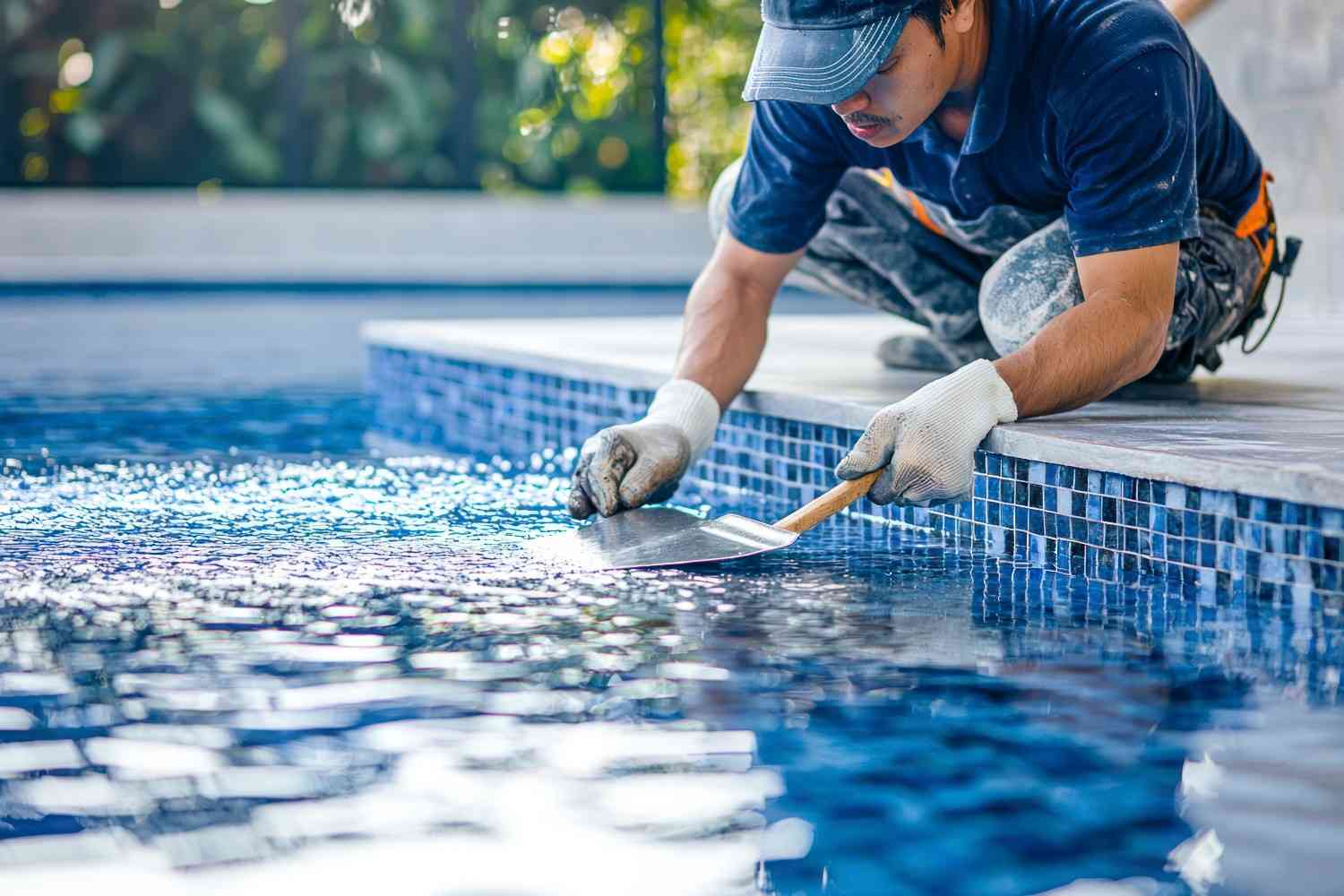
Cracked surfaces, persistent leaks, damaged tiles, outdated filtration systems, recurring algae growth, waterproofing failures, and structural movement are the most common problems that require UAE swimming pool renovation contractors. These issues do not resolve through routine cleaning. Each one points to a deeper structural or mechanical fault that only a qualified renovation team can properly diagnose and repair.
A pool in Abu Dhabi works harder than a pool almost anywhere else. Intense sun exposure, high water temperatures, mineral-heavy tap water, and constant chemical treatment wear down pool surfaces and equipment far faster than in milder climates. A plaster finish that might last fifteen years in a temperate country can show serious deterioration in eight to twelve years here.
This guide walks through the most common problems homeowners encounter, explains why each one happens, and outlines the renovation approach used to fix it permanently.
Three environmental factors drive almost every pool problem in this region. Understanding these causes makes it easier to recognize warning signs early, before small issues become expensive structural repairs.
UV exposure breaks down plaster and exposed sealants faster than in most climates. Abu Dhabi receives some of the highest annual sun intensity in the world, and pool surfaces sit directly exposed to it for most daylight hours.
Water hardness in the local supply leaves mineral deposits on tiles, grout lines, and pool walls. Over years, these deposits cause staining, roughen surfaces, and weaken bonding agents holding tiles in place.
Heat-driven chemical demand means pools require heavier and more frequent chemical dosing to stay balanced. Aggressive water chemistry accelerates corrosion in metal fittings, pump components, and plumbing connections.
These three factors combine to shorten the practical lifespan of nearly every pool component. A pool built using standard materials and standard maintenance schedules will typically need renovation work within eight to twelve years, sometimes sooner without proper care.
A pool shell crack is one of the clearest signs that renovation, not routine repair, is needed. The shell forms the structural foundation of the entire pool, and any compromise here affects everything built on top of it.
Ground movement, foundation settling, and thermal expansion are the primary causes of shell cracking. In Abu Dhabi, extreme temperature swings between scorching daytime heat and cooler nighttime air cause the concrete shell to expand and contract repeatedly throughout the year.
Poor original construction also contributes. Pools built with insufficient rebar reinforcement, low-grade concrete, or inadequate curing time are far more prone to shell cracking within the first decade of use.
Visible cracks on pool walls or the floor are the most obvious sign, but several other indicators often appear first. Water levels dropping faster than evaporation alone explains is a strong early signal of a hairline shell crack.
Damp patches on the ground surrounding the pool, even when the pool has not overflowed, frequently point to water escaping through a shell crack below the visible waterline.
A small hairline crack rarely stays small. Water pressure constantly pushes against the crack from inside the pool, gradually widening it with every passing month. Left unaddressed, a minor crack can progress into a structural failure requiring full shell reconstruction.
Soil erosion beneath the pool is another serious risk. Water escaping through shell cracks can wash away supporting soil underneath the structure, leading to shifting, sinking, or even partial collapse of the pool floor.
Renovation contractors begin by draining the pool and conducting a full structural inspection to map every crack and assess its depth. Surface hairline cracks are typically repaired using specialist epoxy injection compounds designed to bond permanently with concrete.
Deeper structural cracks require a different approach. Contractors cut out the damaged section, reinforce it with additional rebar where needed, and rebuild the shell section using fresh concrete before applying a new waterproofing membrane and surface finish.
Leaking pools are among the most financially damaging problems a homeowner can ignore. A continuous leak does not just waste water; it actively drives up utility bills and risks damage to surrounding structures.
Leaks typically originate from one of three places: the pool shell itself, the plumbing lines running to and from the equipment, or the fittings and skimmers installed in the pool walls. Each source requires a different detection method and a different repair approach.
Plumbing leaks are particularly common in pools over ten years old, as pipe joints and seals degrade gradually under constant water pressure and chemical exposure.
A simple bucket test can confirm whether a pool is genuinely losing water beyond normal evaporation. Placing a bucket filled with water on a pool step and comparing the water level drop inside the bucket against the pool over twenty-four hours reveals whether loss is excessive.
A consistently running pump that struggles to maintain water level, or a noticeable increase in monthly water bills without any change in usage pattern, both indicate a leak that needs professional investigation.
Visually locating a leak is rarely possible, since most leaks occur below the waterline or underground in buried plumbing. Renovation contractors use pressure testing equipment to isolate which plumbing line is losing pressure, along with dye testing to pinpoint the exact location of a shell or fitting leak.
This systematic approach matters because guessing at a leak location and repairing the wrong spot wastes both time and money, while the actual leak continues unaddressed.
Once the source is confirmed through pressure and dye testing, the renovation team repairs the specific component affected. Shell leaks are sealed using waterproofing compounds and membranes. Plumbing leaks usually require replacing the affected pipe section, particularly in older pools using outdated piping materials.
Tiles and surface finishes take constant abuse from sun exposure, mineral deposits, and chemical contact. Once damage spreads beyond a few isolated spots, patch repairs stop being a practical or cost-effective option.
Grout deterioration is the leading cause of tiles loosening over time. As grout breaks down from chemical exposure and constant moisture, tiles lose their bonding and eventually pop off the wall or float to the pool floor.
Ground movement beneath the pool deck can also crack tiles directly, particularly along waterline runs where tiles sit at a fixed, unmoving height while the structure beneath shifts slightly.
Rough, sandpaper-like texture underfoot is the most common sign of deteriorating plaster. As plaster ages, it loses its smooth top layer, exposing the aggregate beneath and creating an uncomfortable, abrasive surface.
Persistent staining that does not respond to chemical treatment, along with visible pitting or small craters across the surface, both indicate plaster has reached the end of its usable life.
A single loose tile rarely stays isolated. Water seeping behind one loose tile undermines the grout and adhesive holding neighboring tiles, causing damage to spread progressively along the waterline if not addressed promptly.
Plaster deterioration follows a similar pattern. Once the protective top layer wears away in one section, the exposed aggregate beneath erodes faster, accelerating damage to adjacent areas of the same surface.
For isolated tile damage affecting less than a small section of the waterline, renovation contractors can often replace individual tiles while matching the existing pattern and color. Widespread damage typically calls for a full waterline retile.
Surface finish problems are addressed through complete resurfacing. This involves removing the old plaster layer entirely and applying a new finish, with quartz aggregate and pebble finishes performing significantly better than standard plaster against Abu Dhabi’s hard water and intense UV exposure.
A pool filtration system works continuously, often running eight hours or more daily during summer months. This constant operation means filtration equipment wears out faster than almost any other component in the pool system.
Cloudy water that persists despite correct chemical balancing usually points to a filtration problem rather than a chemistry problem. If the filter cannot adequately remove fine particles from the water, no amount of chemical adjustment will fully clear it.
Unusual pump noise, reduced water flow from return jets, and rising energy bills tied to pool equipment all suggest the pump or filter system is straining to compensate for internal wear.
Sand filter media compacts and loses effectiveness after several years of continuous use, reducing its ability to trap debris. Cartridge filters degrade similarly, with the filtering material becoming less porous and less effective at capturing fine particles.
Pump motors face their own wear pattern, with seals and bearings degrading from constant operation in a hot climate, eventually leading to reduced efficiency, leaks, or complete failure.
Renovation contractors assess whether the existing filtration system needs full replacement or a more economical service and parts upgrade. Older sand filters are frequently replaced with modern variable-speed pump systems, which run more efficiently and reduce electricity consumption significantly compared to older single-speed pumps.
Filter media and cartridges are replaced as part of any filtration renovation, since reusing old, compacted media after installing new equipment undermines the improvement entirely.
Waterproofing sits between the structural shell and the visible finish, making it one of the most overlooked pool components until it fails. By the time waterproofing failure becomes visible, the damage has often already spread.
Waterproofing membranes degrade gradually from constant water pressure, soil moisture, and chemical exposure over many years. Once the membrane develops even a small breach, water finds its way through and begins affecting the structure behind it.
Improper original installation is another common cause, particularly in older pools constructed before higher waterproofing standards became common practice in the region.
Damp or discolored patches on the exterior pool wall or surrounding deck, even without an obvious leak inside the pool, often indicate water is migrating through a failed waterproofing layer.
Efflorescence, the white, chalky mineral deposit that sometimes appears on exterior concrete surfaces near a pool, is a direct sign that water is passing through the structure and depositing dissolved minerals as it evaporates.
Water that bypasses a failed waterproofing membrane does not simply disappear. It continues moving through surrounding soil and structure, potentially affecting foundations, pool decking, and even nearby building structures if the pool sits close to the property.
Fixing waterproofing failure properly requires removing the affected surface finish to access the membrane layer directly. Renovation contractors apply a new waterproofing membrane across the affected section, then rebuild the surface finish on top once the membrane is confirmed watertight through pressure testing.
Regular swimming pool cleaning services play an essential role in pool ownership, but cleaning and renovation solve fundamentally different problems. Understanding this distinction prevents homeowners from delaying necessary structural work.
Swimming pool cleaning services keep water clear, balanced, and free of debris through skimming, vacuuming, and chemical testing. These services cannot fix structural cracks, repair failed waterproofing, replace deteriorated plumbing, or resurface aging finishes.
A pool can receive flawless weekly cleaning and still have a hairline shell crack slowly worsening beneath the surface. Cleaning addresses water quality; renovation addresses the physical structure and systems that hold that water in the first place.
Homeowners sometimes notice only cosmetic symptoms at first, such as a faded patch of tiles or a small stain that will not lift. During a proper inspection, renovation contractors frequently uncover additional issues underneath, including early-stage leaks or weakened waterproofing that would have become significantly more expensive if discovered later.
Pool renovation involves structural assessment, waterproofing, plumbing, tiling, and surface finishing, all of which require different specialized skills working in coordination. Hiring swimming pool renovation contractors with direct experience in the UAE climate matters more here than in most regions.
Materials that perform well in temperate climates often fail prematurely under Abu Dhabi’s heat and water hardness. Contractors familiar with local conditions select plaster grades, waterproofing membranes, and equipment rated specifically for sustained high-temperature operation and mineral-heavy water.
A coordinated renovation team also manages sequencing correctly. Waterproofing must cure fully before tiling begins. Plumbing repairs must be pressure-tested before the pool refills. Skipping or rushing any step in this sequence risks repeat failures within a short period after the project is complete.
| Problem | Repair Sufficient | Renovation Needed |
| Small isolated tile crack | Yes | No |
| Structural shell crack | No | Yes |
| Widespread plaster deterioration | No | Yes |
| Single faulty pump | Often, yes | Sometimes |
| Failed waterproofing membrane | No | Yes |
| Persistent unexplained leak | No | Yes |
| Outdated filtration across the system | Sometimes | Usually |
The table above offers a general guide, though every pool should still receive a professional assessment before deciding between a repair and a full renovation.
A pool is likely due for renovation, rather than a simple repair, if several of the following apply:
Matching two or more of these signs strongly suggests the underlying problem is structural or mechanical, not something a cleaning visit alone will resolve.
Renovation pricing varies significantly based on several factors rather than a single fixed rate. Understanding these factors helps homeowners anticipate the general scope of a project before requesting a quote.
Pool size is the most direct cost driver, since larger surface areas require proportionally more material and labor for resurfacing, tiling, and waterproofing work.
Surface material choice affects both upfront cost and long-term value. Standard plaster costs less initially but typically needs replacement again within seven to ten years in this climate, while quartz and pebble finishes cost more upfront but last considerably longer.
Tile replacement scope matters as well. Replacing a handful of damaged tiles costs far less than a full waterline retile, which involves removing and replacing the entire tile run around the pool perimeter.
Plumbing and equipment upgrades add to project scope when pumps, filters, or buried pipework need replacement alongside surface work, though completing this during a drained-pool renovation is typically far more cost-efficient than addressing it separately later.
For residential pools in Abu Dhabi, basic resurfacing projects generally start in the range of AED 8,000 to AED 15,000, while comprehensive renovations involving structural repair, full retiling, and equipment upgrades typically range from AED 30,000 to AED 100,000 or more, depending on pool size and scope of work.
Most swimming pool problems share a common pattern: a small, easily ignored symptom that signals a much larger issue developing beneath the surface. Cracks widen, leaks worsen, and worn finishes spread, almost always becoming more expensive the longer they go unaddressed.
A clear professional assessment is the fastest way to know whether a pool needs simple repair or full renovation. Imagine Swimming Pools Works provides a free on-site assessment and a written, itemized quote within twenty-four to forty-eight hours, covering structural repairs, resurfacing, retiling, waterproofing, and equipment upgrades across Abu Dhabi.
Anyone noticing cracks, persistent leaks, rough surfaces, or aging equipment can call 058 109 4493 or visit the Swimming Pool Renovation Services page to schedule a free assessment and get a clear picture of what their pool actually needs.
How do I know if my swimming pool needs renovation?
A pool needs renovation when problems are structural or system-wide rather than cosmetic, including shell cracks, failed waterproofing, persistent leaks, or filtration equipment over ten years old. A professional assessment confirms the exact scope needed.
Can swimming pool cleaning services fix cracks?
No. Swimming pool cleaning services manage water clarity and chemical balance only. Cracks, leaks, and waterproofing failures require structural repair work performed by qualified renovation contractors, not routine cleaning visits.
How long does pool renovation take?
Simple resurfacing typically takes five to seven working days. Renovations involving tile replacement and minor structural repair generally take ten to fourteen days, while full projects with structural and plumbing work can take three to five weeks.
Is resurfacing better than rebuilding?
Resurfacing suits pools with sound structural shells but worn or damaged finishes. Rebuilding becomes necessary when the shell itself has significant structural cracking or movement that resurfacing alone cannot correct or stabilize.
How often should a swimming pool be renovated?
Most pools in the UAE need renovation every eight to twelve years due to intense UV exposure and hard water, compared to fifteen to twenty years in milder climates. Quartz and pebble finishes extend this interval considerably.
What is included in pool renovation?
A full renovation typically includes structural crack repair, waterproofing membrane replacement, resurfacing or replastering, tile replacement, and plumbing or filtration equipment upgrades, all coordinated by one renovation team from assessment through final handover.