Can an Old Swimming Pool Be Renovated? A Guide for...
28/09/2026
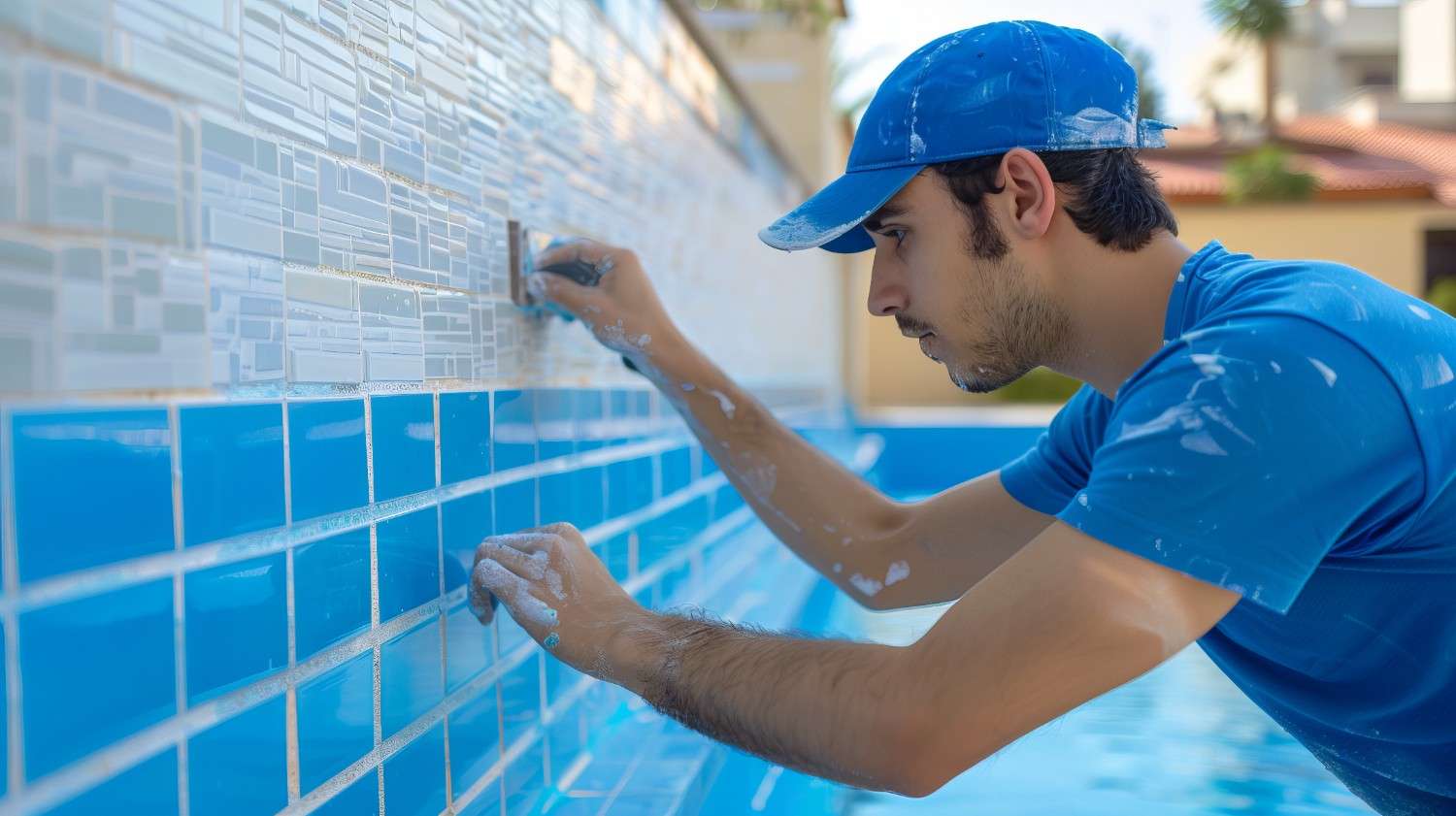
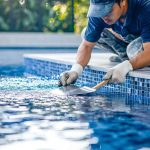
Swimming pool renovation is the process of restoring, upgrading, or transforming an existing pool to improve its condition, safety, appearance, or performance. It typically includes resurfacing, tile replacement, waterproofing, equipment upgrades, and structural repairs.
Renovation extends a pool’s lifespan, reduces running costs, and brings it up to modern standards without the expense of building a new one. Partnering with a professional Abu Dhabi swimming pool contractor is the best way to renovate your pool fast and safely.
Abu Dhabi’s climate is brutal on swimming pools. Temperatures regularly push past 45°C in summer. UV radiation breaks down pool surfaces faster here than in almost any other city in the world.
And because outdoor pools lose enormous amounts of water to evaporation, sometimes several centimetres a week, pool water has to be topped up constantly. This constant topping up also disrupts the pool’s chemical balance.
The result? Pool surfaces deteriorate faster. Tiles crack and loosen. Waterproofing membranes degrade. Equipment works harder and wears out sooner.
Most pools in Abu Dhabi need some form of renovation every 7 to 15 years, depending on the quality of the original build and how well the pool has been maintained. The best way to renovate a swimming pool is to find an expert UAE swimming pool renovation contractor.
Catching problems early saves money. Here are the clearest signs that renovation is overdue:
Surface Problems
Tile and Grout Issues
Water Problems
Structural Warning Signs
Equipment Issues
Quick Check: Run your hand firmly across the pool surface underwater. If it feels like sandpaper or leaves marks on your skin, the surface needs attention. That roughness also makes algae far harder to remove during cleaning.
Renovating a pool is not just cosmetic. The practical benefits are significant:
| Benefit | What It Means for You |
| Extended pool lifespan | A renovated pool can last another 15–20 years |
| Lower running costs | New equipment uses less electricity and fewer chemicals |
| Better water quality | Smooth surfaces resist algae, reducing cleaning frequency |
| Higher property value | A well-maintained pool adds measurable value to a villa |
| Improved safety | Eliminates sharp edges, slippery surfaces, and faulty fittings |
| Energy efficiency | Modern pumps and LED lighting cut utility bills |
| Aesthetic upgrade | New tiles, lighting, and finishes transform the look completely |
Pool resurfacing means removing the old surface finish and applying a new one. It is one of the most common renovation tasks in Abu Dhabi because heat and UV exposure wear down surfaces quickly.
The most common surface options are:
The traditional finish. Smooth, clean, and relatively affordable. It typically lasts 7–10 years in Abu Dhabi’s climate. It is the baseline choice but tends to stain and roughen faster than premium alternatives.
Quartz aggregate is blended with plaster to create a harder, more durable surface. It resists staining better, holds colour longer, and typically lasts 12–15 years. Popular for residential villas across Abu Dhabi.
River pebbles are embedded into the surface, creating a natural, textured look. Extremely durable, often lasting 20+ years. The texture feels different underfoot and can be rough for young children. Used frequently in luxury villas and hotel pools in Abu Dhabi.
A premium finish that combines coloured aggregates, glass beads, or quartz crystals. Highly decorative and very durable. Often chosen for high-end residential and resort renovations.
What finish lasts longest?
Pebble finishes and exposed aggregate consistently outperform plaster in Abu Dhabi’s harsh climate, lasting up to 20 years with proper maintenance. Quartz is the strongest mid-range option.
Tiles do more than look good. They protect the waterline area, which is one of the most chemically active areas of the pool and helps protect it from erosion and staining.
Can pool tiles be replaced?
Yes, absolutely. Individual cracked tiles can be replaced, or the entire tile band can be stripped and retiled. For older pools, full retiling is often better value because cracking tends to spread once it starts.
Common tile choices for Abu Dhabi pools:
When selecting tiles, always check the slip resistance rating. Pool surrounds and steps need tiles rated for wet conditions. This is a safety issue, not just an aesthetic one.
Can pool waterproofing be repaired? Yes. A failing waterproof membrane can be repaired or replaced as part of renovation. This procedure is one of the most critical steps. Without proper waterproofing, water seeps into the pool structure, leading to cracks, corrosion, and eventually serious structural damage.
Pool waterproofing in Abu Dhabi typically involves the following:
Crystalline waterproofing: It penetrates the concrete and forms crystals inside the pores, blocking water movement
Cementitious waterproofing: It is a rigid coating applied to the pool shell, effective and widely used
Polyurethane or epoxy coatings: They are flexible membranes that handle structural movement well
Abu Dhabi’s extreme temperature swings from very hot days to cooler nights cause the pool structure to expand and contract repeatedly. A flexible waterproofing system handles this thermal cycling better than rigid coatings alone.
Outdated pool lighting is one of the easiest wins in any renovation. Old halogen or incandescent fittings are energy-hungry, generate heat underwater, and burn out frequently.
Modern LED pool lights use up to 80% less electricity, last far longer, and produce no heat underwater. They also offer colour-changing options, full RGB systems, which can cycle through colours or be set to a fixed tone.
For Abu Dhabi villas and commercial pools, underwater lighting also serves a safety function. Pools used in the evening need proper illumination so swimmers can see the bottom, steps, and walls clearly.
Smart pool automation systems can tie lighting into a single control app adjusting colour, brightness, and timing from a phone.
Pool Pump
The pump is the heart of the circulation system. Old single-speed pumps run at full power all the time, which wastes electricity and shortens their lifespan. Variable-speed pumps adjust their output to match actual demand, cutting electricity costs significantly.
Pool Filters
Filters remove particles and debris from water. Sand filters are most common, but cartridge and DE (diatomaceous earth) filters offer finer filtration. An undersized or old filter forces the pump to work harder and leaves water less clean.
Skimmer
The skimmer pulls floating debris leaves, insects, sunscreen, and dust from the water surface before it sinks. In Abu Dhabi, dust and sand are constant. A properly sized and positioned skimmer is essential, especially for outdoor pools near gardens.
Pool Return Jets
These push filtered water back into the pool. Their direction and flow rate affect how evenly the pool circulates. During renovation, jet positions are sometimes adjusted to eliminate dead zones where algae commonly grow.
Pool Drain
Main drains at the pool floor help with bottom circulation. Older main drains should be checked for compliance with current safety standards, which require anti-entrapment covers to prevent accidents.
Pool Heater
Abu Dhabi pools don’t need heating for much of the year, but during winter months (November to February), water temperatures drop enough to make swimming uncomfortable. Adding a heat pump or solar heater during renovation future-proofs the pool for year-round use.
Pool Automation
Modern pool automation systems control the pump, filter, heater, lighting, and chemical dosing from one app. They can also track chemical levels and alert you when something is off. For property owners who travel frequently, automation is invaluable.
The pool deck takes as much punishment as the pool itself: relentless sun, heat, foot traffic, and occasional chemical spills. Over time, surfaces crack, fade, and become slippery or uneven.
Why do pools crack?
Pool shells crack for several reasons: thermal expansion and contraction, settlement of the ground beneath, poor original construction, or the natural ageing of concrete. In Abu Dhabi, the combination of extreme heat and sandy soil conditions makes crack formation more likely than in temperate climates.
Small hairline cracks are usually cosmetic but should be monitored. Cracks that widen, leak water, or appear suddenly on the floor or walls need professional assessment immediately.
How to tell if your pool is leaking vs. just evaporating?
Perform the bucket test. Fill a bucket with pool water, place it on a pool step, and mark the water level inside and outside the bucket. After 24 hours, compare. If the pool loses significantly more water than the bucket, you likely have a leak.
Abu Dhabi pools can lose 5–10mm of water per day to evaporation in summer, which is already quite high. Anything consistently above that warrants leak detection.
Leak detection in modern renovation uses pressure testing of pipes, acoustic detection, and sometimes dye testing around suspected areas. Get a professional assessment before assuming the cause. Learn more about Swimming Pool Repair and Leak Detection.
Here is how a professional renovation typically unfolds from start to finish:
Step 1: Initial Inspection and Assessment
A specialist surveys the pool shell, surface, tiles, waterproofing, pipework, and all equipment. They check for cracks, leaks, and structural issues. This step is essential. Renovation work should only begin once the full picture is understood.
Step 2: Drain the Pool
The pool is drained completely. In Abu Dhabi, responsible contractors dispose of pool water in compliance with local drainage regulations.
Step 3: Surface Preparation
Old plaster, coatings, or tiles are removed. The substrate is cleaned, repaired, and prepared for new materials. Any cracks are cut out properly and filled, as you cannot resurface over an unfixed crack.
Step 4: Structural Repairs
If cracks, spalling, or structural damage is found, this is addressed now. Waterproofing is also applied or renewed at this stage.
Step 5: New Surface Application
The chosen finish, whether you choose plaster, quartz, pebble, or aggregate, is applied by hand or with specialised equipment. This requires skilled labour; an uneven application will show immediately and affect the finish’s lifespan.
Step 6: Tiling
Any tile work like waterline tiles, feature tiles, and mosaic sections is completed once the surface is set.
Step 7: Equipment Installation
New or upgraded pump, filter, lighting, automation systems, and heater are installed and tested.
Step 8: Refill and Chemical Startup
The pool is refilled slowly. Chemical balance is established carefully; this is especially important with new plaster finishes, which need a specific startup process to cure properly without staining or etching.
Step 9: Final Inspection
Everything is checked. Water chemistry, equipment operation, lighting, and surface quality are all verified before the pool is handed back.
| Renovation Scope | Typical Timeframe |
| Basic resurfacing only | 7–14 days |
| Resurfacing + tile replacement | 2–3 weeks |
| Full renovation (surface, tiles, equipment, deck) | 3–6 weeks |
| Structural repair + full renovation | 4–8 weeks |
| Commercial or resort pool renovation | 6–12 weeks |
These timelines can vary based on the pool’s size, the extent of damage found during inspection, and material availability. Curing time for new plaster adds a few days before the pool can be used.
These are not the same thing, and confusing them leads to either overspending or under-fixing.
| Pool Repair | Pool Renovation | |
| Scope | Fixes a specific problem | Addresses overall condition |
| Examples | Patching a crack, fixing a pump, replacing one tile | Resurfacing, full retiling, equipment overhaul |
| Duration | Hours to a few days | Weeks |
| Cost | Lower | Higher |
| When to choose | Pool is in good condition overall | Pool is aging or has widespread issues |
If your pool has one specific problem and is otherwise in good shape, targeted repair is the right call.
If problems are appearing regularly across multiple areas, swimming pool renovation is the better investment.
Is renovating cheaper than replacing? In almost every case, yes. A full pool renovation, even a comprehensive one, typically costs 30-60% less than demolishing the existing pool and building a new one. The structural shell of most pools remains sound for decades. What wears out is the surface, tiles, waterproofing, and equipment, all of which are replaceable.
| Renovation | New Construction | |
| Cost | AED 40,000–120,000+ | AED 150,000–400,000+ |
| Timeline | 3–6 weeks | 6–16 weeks |
| Disruption | Moderate | Major |
| Result | Restored and upgraded pool | Entirely new pool |
| Best when | Shell is structurally sound | Pool is beyond repair or wrong location/size |
Can you renovate an old swimming pool?
Yes, provided the concrete shell is structurally intact. Most pools built 20–30 years ago can be fully renovated. Even older pools with significant cracking can often be repaired and then renovated, though a structural assessment is essential first.
Always call a professional swimming pool company near you for:
You may be able to handle yourself:
For ongoing pool health between renovations, a professional Swimming Pool Maintenance programme is the most reliable way to extend the life of your renovation investment.
Regular Swimming Pool Cleaninng Services in Abu Dhabi also prevent the surface staining and algae build-up that accelerate deterioration.
Use this checklist before contacting a renovation specialist:
Bring this information to your first consultation. It helps the specialist prioritise and gives you a clearer idea of what the renovation should include.
If your pool is showing signs of wear or if it has been over a decade since the last renovation, a professional assessment is the right first step. A professional pool inspection helps identify issues early and provides a clearer understanding of the work required.
Imagine Pools is a specialist swimming pool renovation company with 10+ years of experience across residential villas, commercial properties, hotels, resorts, and schools across the UAE.
From full resurfacing and retiling to waterproofing, equipment upgrades, and complete pool transformations, Imagine Pools handles renovation projects of every scale.
If your pool needs attention, contact Imagine Pools for a professional assessment and renovation proposal tailored to your pool’s specific condition and your budget.
Most residential pools in Abu Dhabi need some form of renovation every 7–12 years. Abu Dhabi’s intense UV exposure, extreme heat, and unique water chemistry from its desalinated supply accelerate surface wear compared to milder climates. Well-maintained pools regularly can extend this interval to 12–15 years.
How long does pool renovation take in Abu Dhabi?
A standard residential pool renovation takes 3–6 weeks. Simpler projects like swimming pool resurfacing only can be completed in 1–2 weeks. Larger or more complex renovations involving structural repairs, full retiling, deck work, and equipment upgrades take 6–8 weeks or more.
How much does pool renovation cost in Abu Dhabi?
Costs vary significantly. A basic resurfacing for a medium villa pool starts around AED 15,000–30,000. A full renovation, which includes a new surface, tiles, equipment, and deck, typically ranges from AED 40,000 to 120,000. Commercial or resort pools cost considerably more depending on size and scope.
What is the best pool surface for Abu Dhabi’s climate?
Pebble finishes and exposed aggregate perform best in Abu Dhabi’s harsh climate. They withstand UV exposure, resist staining, and last 15–20 years with proper maintenance. Quartz plaster is a strong mid-range option. Standard white plaster is cheapest but wears fastest in Abu Dhabi conditions.
Should I repair a pool crack or do a full renovation?
If you have one isolated crack and the rest of the pool is in good condition, targeted repair makes sense. If cracks are appearing repeatedly, or if you also have surface wear, tile issues, and ageing equipment, renovation is the smarter investment. Recurring cracks signal that a piecemeal approach will cost more in the long run.
Can I use my pool while it’s being renovated?
No. The pool must be fully drained for resurfacing, tiling, and waterproofing work. After the renovation is complete, there is also a curing period before the pool can be safely used, which is typically 1–2 weeks for plaster finishes.
How do I know if my pool has a leak or is just evaporating?
Use the bucket test. Place a bucket filled with pool water on a step and mark both the water inside the bucket and the pool water level. After 24 hours, compare the drop. If the pool has lost significantly more water than the bucket, a leak is likely. Abu Dhabi pools can lose 5–10mm per day to evaporation in peak summer.
What happens if I don’t address a leaking pool?
Leaks cause progressive structural damage. Water seeping into the pool shell erodes concrete, corrodes steel reinforcement, and undermines the surrounding ground. Over time, a minor leak becomes a major structural failure. Fixing a leak early is far cheaper than addressing the structural damage that follows from ignoring it.
Is it worth upgrading pool equipment during renovation?
Almost always, yes. If your pump or filter is more than 8–10 years old and the pool is being drained for renovation anyway, replacing ageing equipment costs far less than draining the pool again in two years. Modern variable-speed pumps also save significantly on electricity.
Does pool renovation increase property value in Abu Dhabi?
Yes. A well-maintained, recently renovated pool adds measurable value to an Abu Dhabi villa. Buyers and renters actively look for pools that are in excellent condition. A pool that has a rough surface, cracked tiles, and dirty water can actively reduce a property’s appeal in Abu Dhabi’s competitive real estate market.
How long after renovation before I can swim?
For plaster and quartz finishes, most contractors recommend waiting 1–2 weeks after the pool has been refilled and the chemistry has been balanced. This allows the surface to cure properly. Jumping in too soon can disturb the curing process and lead to permanent surface imperfections. Your contractor will advise on the specific cure time for the finish used.
Do commercial pools have different renovation requirements than residential pools?
Yes. Commercial pools, such as the pools at hotels, resorts, schools, and clubs, face heavier usage and stricter regulatory requirements. They need more robust surface finishes, higher-capacity filtration systems, commercial-grade equipment, and compliance with Abu Dhabi Municipality regulations. Commercial renovation projects also take longer due to pool size and system complexity.